
Asia Travel Guide & Information
Hanoi Travel Guide for First-Time Visitors – What to Know Before You Go
Oct
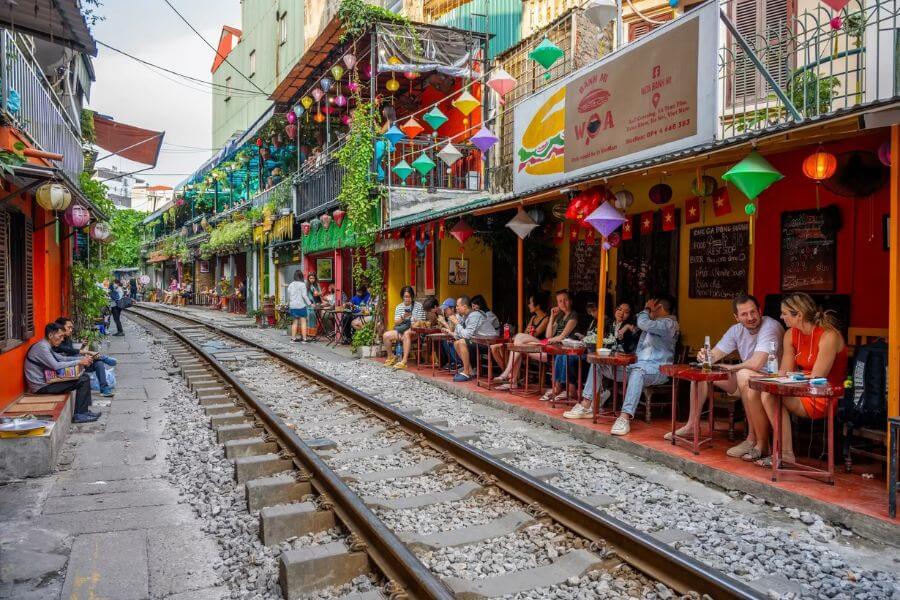
Arriving in Hanoi for the first time can feel wonderfully overwhelming. Motorbikes flow through narrow streets, vendors prepare steaming bowls of noodles on the pavement, French-colonial buildings stand beside centuries-old temples, and the sound of everyday life seems to follow you around every corner.
For travelers looking for authentic hanoi tours, the capital is much more than a list of famous attractions. Hanoi is a city best experienced slowly, through its food, neighborhoods, architecture, markets, lakes, historic sites, and conversations with local people.
This Hanoi travel guide is designed for international visitors who want to understand how the city works before arriving. From getting from Noi Bai International Airport to the city center to choosing where to stay, deciding what to see, and planning your first few days, these practical tips will help you make better travel decisions.
Why Hanoi Should Be on Your Vietnam Itinerary
Hanoi is one of Southeast Asia’s most distinctive capital cities because its identity has been shaped by many different periods of Vietnamese history.
The city was established as Thang Long more than a thousand years ago and has served as the political and cultural center of Vietnam for much of its history. Today, that long past remains visible in the city’s temples, ancient streets, colonial architecture, museums, monuments, and everyday traditions.
At the same time, Hanoi is not a museum frozen in time. It is energetic, crowded, creative, and constantly changing.
A morning around Hoan Kiem Lake may begin with locals exercising beside the water. A few streets away, shopkeepers open their businesses, coffee shops fill with young professionals, and street-food vendors begin preparing breakfast.
By afternoon, visitors may find themselves exploring the Temple of Literature or the Imperial Citadel of Thang Long. After sunset, the Old Quarter becomes a completely different environment, filled with restaurants, cafés, street-food stalls, and pedestrians.
This contrast is one of the main reasons Hanoi appeals to experienced travelers.
How to Get to Hanoi
Most international visitors arrive through Noi Bai International Airport, located approximately 30 kilometers north of central Hanoi.
For first-time visitors, understanding the arrival process is important because your first hour in a new country can influence how comfortable the rest of the trip feels.
After landing, international passengers normally go through immigration, collect their luggage, complete customs procedures, and then continue to the transportation area.
During busy travel periods, immigration and airport procedures can take longer than expected. This is particularly relevant for travelers arriving after long-haul flights, families with children, older passengers, or visitors with connecting travel plans.
If you are unfamiliar with Vietnamese airport procedures, airport assistance services can make the arrival experience more straightforward. Aviation Plus, for example, provides Fast Track assistance at Noi Bai Airport, including meet-and-greet support and guidance through airport procedures.
For travelers who value time and convenience, planning the airport-to-hotel journey before departure is one of the simplest ways to reduce stress.
How to Travel from Noi Bai Airport to Hanoi
There are several ways to reach central Hanoi.
Private airport transfers are usually the most convenient option for travelers staying in hotels, particularly if you arrive late at night, travel with several pieces of luggage, or prefer a door-to-door experience.
Taxis are also widely available at the airport. Travelers should use reputable taxi companies or official airport transportation services and confirm the destination before departure.
Public buses are another budget-friendly option. However, they may be less convenient if you have large luggage or are staying deep inside the Old Quarter.
For premium travelers, private transfers combined with airport assistance can create a smoother arrival experience. Instead of spending your first moments in Vietnam trying to understand where to go, you can arrange assistance before landing and continue directly toward your hotel.
Where Should First-Time Visitors Stay in Hanoi?
Choosing the right neighborhood can significantly change your experience of Hanoi.
Hanoi Old Quarter
The Old Quarter is the most popular choice for first-time visitors.
It is centrally located and close to many attractions, restaurants, cafés, markets, and nightlife areas. The neighborhood is particularly convenient for travelers who want to explore on foot.
However, the Old Quarter can be busy, noisy, and crowded. If you prefer quiet luxury, you may want to stay slightly outside the busiest streets.
Hoan Kiem
The area around Hoan Kiem Lake offers a balance between convenience and comfort.
You can reach the Old Quarter easily while remaining close to important cultural attractions. Many boutique hotels and upscale properties are located around this area.
It is also particularly attractive in the early morning and evening when the area around the lake becomes a popular place for locals to walk and exercise.
West Lake
West Lake, or Tay Ho, is a different side of Hanoi.
The neighborhood has a more residential and international atmosphere, with stylish cafés, restaurants, contemporary hotels, wellness businesses, and longer-stay accommodation.
Travelers who prefer a quieter environment may find West Lake more comfortable than the Old Quarter.
What Should You See in Hanoi?

A first visit does not require an enormous sightseeing list. Instead, focus on several places that help you understand different aspects of the city.
Hoan Kiem Lake
Hoan Kiem Lake is one of Hanoi’s most recognizable landmarks.
It is located close to the Old Quarter and is an excellent starting point for exploring the city. Ngoc Son Temple sits on a small island connected to the shore by a distinctive red bridge.
Early morning is one of the best times to visit because the area becomes a gathering place for local residents.
Hanoi Old Quarter
The Old Quarter is where many visitors begin to understand the rhythm of Hanoi.
Its narrow streets historically developed around traditional crafts and commercial activities. Although the neighborhood has changed significantly, traces of its historical character remain.
Rather than rushing from one attraction to another, allow yourself time to wander.
Some of the best experiences may come from unexpected discoveries: an old house, a small temple, a family-run café, or a street-food stall hidden between busy shops.
Temple of Literature
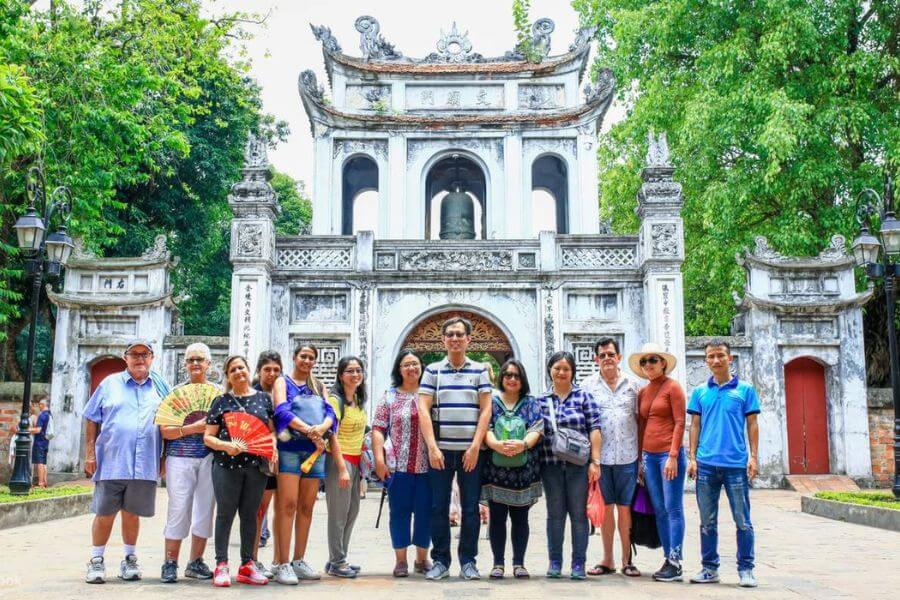
The Temple of Literature is one of Hanoi’s most important cultural landmarks.
Originally associated with Confucian education, the site offers visitors an opportunity to learn about Vietnam’s historical approach to scholarship and education.
The peaceful courtyards provide a striking contrast with the busy streets outside.
Ho Chi Minh Complex
For visitors interested in modern Vietnamese history, the Ho Chi Minh Complex is an important part of a Hanoi itinerary.
The area includes several significant sites associated with Ho Chi Minh, including his mausoleum, stilt house, museum, and the One Pillar Pagoda.
Travelers should check opening arrangements and dress appropriately when visiting religious and formal historical sites.
Imperial Citadel of Thang Long
The Imperial Citadel represents another important chapter in Hanoi’s long history.
The archaeological remains and surviving structures reveal the development of the city as a political center over many centuries.
It is particularly worthwhile for travelers who enjoy history and archaeology rather than simply taking photographs.
What Should You Eat in Hanoi?
Food is one of the strongest reasons to spend several days in Hanoi.
The city has developed a distinctive culinary identity that combines traditional Vietnamese ingredients with techniques influenced by different historical periods.
Pho
Pho is perhaps the most internationally recognized Vietnamese dish.
In Hanoi, the northern style is generally associated with a relatively clear broth and a more restrained flavor profile than some regional variations.
The best way to experience pho is often at a local restaurant where the dish is prepared continuously throughout the morning.
Bun Cha
Bun cha is closely associated with Hanoi.
The dish combines grilled pork, rice noodles, fresh herbs, and a sweet-savory dipping sauce.
Because the ingredients are served separately, the diner controls the combination of noodles, meat, herbs, and sauce.
Egg Coffee
Hanoi’s egg coffee has become one of the city’s signature drinks.
The creamy egg-based topping transforms a strong coffee into something closer to a dessert. It is particularly enjoyable in one of the city’s traditional cafés.
Street Food
Don’t limit your culinary experience to famous dishes.
Try small local restaurants, market snacks, seasonal fruit, Vietnamese desserts, and regional specialties.
A guided food experience can be particularly useful for first-time visitors because a local guide can explain unfamiliar dishes and help identify places that may otherwise be difficult to find.
How Many Days Do You Need in Hanoi?


For a first visit, three days is a comfortable starting point.
One day can focus on Hanoi’s historical center and Old Quarter.
A second day can explore cultural landmarks, museums, cafés, and local neighborhoods.
The third day can be used for a day trip outside the city or for experiencing Hanoi at a slower pace.
Travelers with four or five days have more flexibility. They can combine Hanoi with destinations such as Ninh Binh, Ha Long Bay, Mai Chau, or other northern Vietnam experiences.
The important point is not to fill every hour.
Hanoi rewards travelers who leave space for spontaneous exploration.
A Practical Three-Day Hanoi Plan
Day 1: Discover the Historic Center
Begin around Hoan Kiem Lake before walking through the Old Quarter.
Explore traditional streets, visit Ngoc Son Temple, and stop for local coffee.
In the afternoon, visit the Temple of Literature or another historical attraction.
End the day with dinner in the Old Quarter.
Day 2: History, Culture and Local Life
Start with the Ho Chi Minh Complex or Imperial Citadel.
Continue toward West Lake for a more relaxed atmosphere.
In the afternoon, explore cafés, markets, or local neighborhoods.
In the evening, consider a food-focused experience.
Day 3: Choose a Day Trip
If you want to experience landscapes beyond Hanoi, consider Ninh Binh.
If you prefer a quieter cultural experience, explore villages and countryside near Hanoi.
Alternatively, simply remain in Hanoi and spend the day discovering neighborhoods that you missed earlier.
How to Get Around Hanoi
Walking is one of the best ways to explore central Hanoi.
The Old Quarter is compact, although traffic and sidewalks can make walking slower than expected.
Taxis and ride-hailing services are convenient for longer distances.
Private vehicles are useful for day trips outside Hanoi, particularly when traveling with luggage or a small group.
Cycling and motorbike experiences can also provide a more immersive perspective, but visitors should consider traffic conditions carefully.
For travelers unfamiliar with Vietnamese roads, a guided experience is often more comfortable than navigating independently.
What Should You Wear in Hanoi?
Hanoi’s climate changes significantly throughout the year.
Summer can be hot, humid, and rainy, while winter may feel surprisingly cool, particularly for travelers arriving from tropical countries.
Lightweight clothing is suitable for warmer months.
During cooler periods, layers are more practical because temperatures can vary between daytime and evening.
When visiting temples, pagodas, mausoleums, and other formal cultural sites, modest clothing is recommended.
Comfortable walking shoes are essential.
What Should You Know About Hanoi Traffic?
Hanoi’s traffic can initially look chaotic to international visitors.
Motorbikes are everywhere, and traffic patterns may seem difficult to understand.
When crossing roads, avoid sudden changes in direction. Walk at a steady, predictable pace and allow traffic to move around you.
Do not assume that a vehicle will automatically stop because you are using a pedestrian crossing.
The first few crossings may feel intimidating. After some time, most travelers become more comfortable.
Is Hanoi Safe for International Travelers?
Hanoi is generally considered a welcoming destination for international travelers.
Nevertheless, normal travel precautions remain important.
Keep passports and valuable documents secure. Be careful with phones and bags near busy roads. Check taxi fares and transportation arrangements before starting a journey.
When buying goods or services in busy tourist areas, confirm prices in advance.
These are simple habits, but they can prevent unnecessary problems.
When Is the Best Time to Visit Hanoi?

Hanoi can be visited throughout the year, but different seasons create very different experiences.
Spring is generally comfortable for sightseeing, although weather can be humid and changeable.
Summer is hot and humid, with a higher chance of heavy rainfall.
Autumn is often considered one of the most pleasant periods for exploring the city, with comfortable temperatures and atmospheric streets.
Winter can be cooler and occasionally damp.
Rather than asking which month is universally “best,” consider what kind of experience you want.
For walking, photography, and outdoor sightseeing, cooler and drier periods may be more comfortable.
Should You Book Tours in Hanoi?
Independent travel works well in Hanoi, especially for confident travelers who enjoy discovering destinations at their own pace.
However, guided tours can provide additional value when you want deeper cultural context, efficient transportation, or access to experiences that are difficult to arrange independently.
A good tour should not simply take you from one attraction to another.
The strongest experiences combine transportation, local knowledge, cultural interpretation, authentic food, and enough free time to appreciate the destination.
This is particularly useful for day trips outside Hanoi, where transportation logistics can become complicated.
How to Make Your Hanoi Arrival Smoother
One of the most overlooked parts of travel planning is the first few hours after landing.
You may have traveled for 15 or 20 hours, adjusted to a new time zone, and then need to navigate immigration, luggage collection, transportation, and hotel check-in.
Preparing these details before departure can make a major difference.
Have your accommodation address saved offline.
Keep your passport and immigration documents accessible.
Know how you will travel from the airport to your hotel.
If your arrival coincides with a busy travel period, consider whether airport assistance would make the experience more comfortable.
Aviation Plus provides Fast Track assistance at Noi Bai and other major Vietnamese airports, with services designed around international travelers who want a smoother arrival or departure experience.