
Vietnam Travel Guide
Best Time to Visit Hanoi – Weather, Seasons and Travel Tips for a Memorable Trip

Oct
Choosing when to visit Hanoi can make a noticeable difference to your experience. The city’s changing seasons affect walking conditions, photography, day trips, food experiences, and the overall rhythm of your journey.
For travelers researching hanoi tours, understanding the seasons is more useful than simply looking for a single “best month.” Hanoi has something to offer throughout the year, but each period creates a different version of the city.
From cool winter mornings around Hoan Kiem Lake to humid summer evenings filled with street food and cafés, the capital changes with the weather.
Hanoi Weather at a Glance
The right time depends on what matters most to you: comfortable walking weather, photography, cultural experiences, countryside excursions or simply finding a season that fits your travel dates.
| Travel period | What to expect | Best suited to |
| March–April | Mild to warm, often humid, with occasional drizzle | Cultural sightseeing and city walks |
| May–August | Hot, humid and frequently rainy | Flexible travelers who don’t mind tropical weather |
| September–November | Gradually cooler, with autumn often bringing comfortable conditions | Walking, photography and exploring the city |
| December–February | Cool to cold at times, with occasional damp or misty days | Travelers who enjoy cooler weather and quieter outdoor experiences |
These are general seasonal patterns rather than a forecast. Actual conditions vary from year to year, so check the weather shortly before departure.
Hanoi in Spring – A City Waking Up After Winter
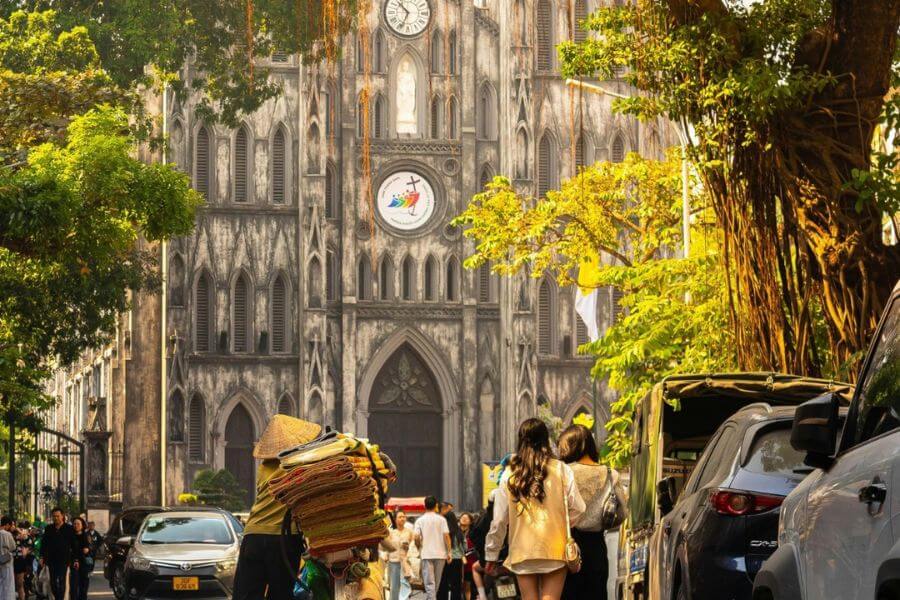
March to April
Spring in Hanoi doesn’t always arrive with bright blue skies and sunshine. Some days are mild and pleasant; others are cloudy, humid or touched by a light drizzle.
For many visitors, however, this is part of the city’s charm.
The temperature gradually rises, outdoor cafés become inviting places to spend an afternoon, and the streets offer plenty of opportunities to watch everyday life unfold. Rather than rushing between landmarks, you can take your time exploring the Old Quarter, visiting historic sites and stopping whenever something catches your attention.
What is it like to explore Hanoi in spring?
Spring is a good time to combine indoor attractions with outdoor sightseeing.
You could spend the morning at the Temple of Literature, explore the surrounding streets after lunch and finish the day with Vietnamese coffee near Hoan Kiem Lake. If the weather turns damp, a museum, traditional restaurant or cosy café provides an easy alternative.
It’s also a useful season for travelers interested in local culture. Depending on the timing of your visit, you may encounter traditional celebrations and seasonal events, including activities associated with the Vietnamese Lunar New Year if your trip falls within that period.
Remember that Lunar New Year dates change each year. During the holiday, some businesses close or change their opening hours, while transportation and accommodation arrangements may require additional planning.
What should you pack?
Lightweight clothing, comfortable walking shoes and a thin waterproof jacket are sensible choices. Because humidity can be noticeable even when temperatures are moderate, breathable fabrics are particularly useful.
Spring is best approached with a flexible itinerary. You don’t need perfect weather to enjoy Hanoi, but having a few indoor alternatives will make your days easier.
Hanoi in Summer – Hot Days, Sudden Showers and Lively Streets
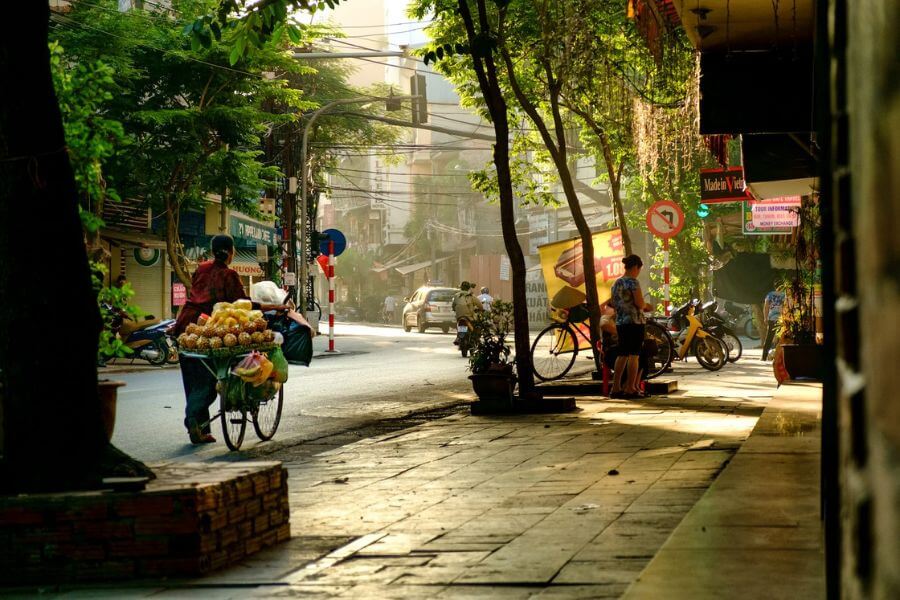
May to August
Summer is when Hanoi’s tropical character becomes impossible to ignore.
The heat can be intense, humidity is often high, and heavy showers may arrive with little warning. Walking around the Old Quarter at midday can be tiring, particularly if you’re not accustomed to Southeast Asian weather.
Yet summer also has its own appeal. Trees are lush, neighbourhood cafés remain busy, and the city feels full of movement. For travelers who don’t mind the heat, it’s still possible to enjoy Hanoi without spending the entire trip indoors.
The trick is to plan around the temperature rather than fight it.
How to enjoy Hanoi during the hottest months
Start early whenever possible. A morning walk around Hoan Kiem Lake is generally more comfortable than exploring exposed streets in the middle of the afternoon.
Use the warmer hours for a leisurely lunch, a museum visit or a break at a café. Later in the day, head back outside when the temperature becomes more manageable.
This approach works particularly well for the Old Quarter, where the best experiences often happen between planned activities. You might discover a small coffee shop upstairs in an old building, watch a vendor prepare a familiar local dish or spend longer than expected browsing a market.
Don’t overlook the countryside, either. Destinations such as Ninh Binh can be rewarding during summer, although heat, rainfall and occasional storms may affect outdoor activities. If you’re arranging a day trip, choose an itinerary that allows some flexibility and check local conditions before setting out.
What about summer rain?
Rain doesn’t automatically mean a wasted day.
A sudden shower can be an opportunity to slow down, try another café or enjoy a longer lunch. However, heavy rain may affect road traffic and travel times, so avoid scheduling every activity too tightly.
Bring a compact umbrella or lightweight rain jacket, drink water regularly and allow more time for journeys around the city.
For travelers arriving in summer, it’s also sensible to think beyond the weather forecast. A delayed flight, a busy arrival hall or heavy traffic can make an already warm day feel exhausting. Arranging airport transportation in advance and understanding your arrival options can help reduce uncertainty.
Hanoi in Autumn – The Season Many Travelers Fall in Love With
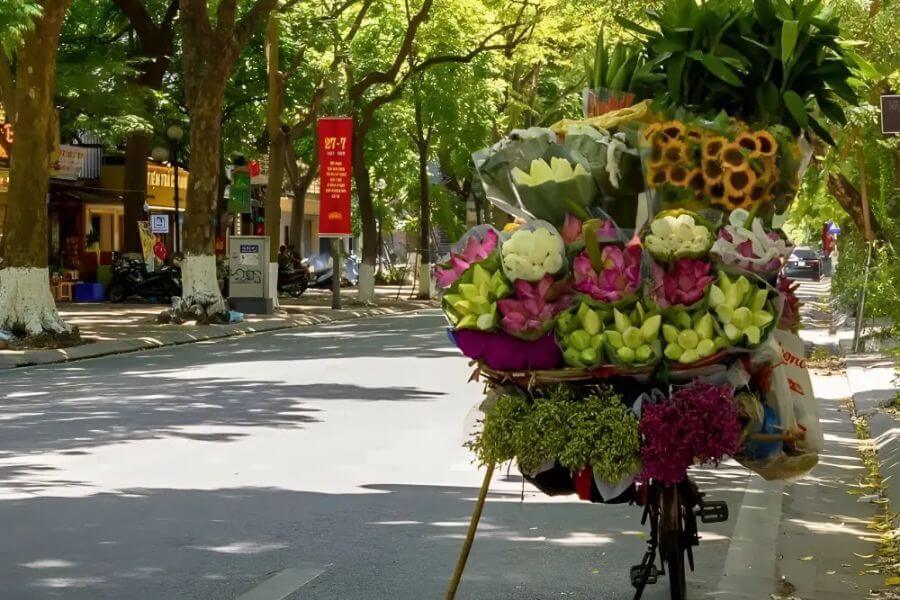
September to November
If you’re looking for a straightforward answer to the question of when to visit Hanoi, autumn is an excellent place to start.
October and November are often particularly appealing for walking around the city. Temperatures generally become more comfortable than during the summer, and conditions can be ideal for spending longer periods outdoors.
But autumn’s appeal isn’t only about the weather.
It’s the feeling of being able to explore without constantly looking for air conditioning or worrying about the next downpour. You can walk through the Old Quarter, stop for coffee, visit a temple and continue exploring simply because you feel like it.
What should you do in Hanoi during autumn?
Give yourself time to experience the city on foot.
Start around Hoan Kiem Lake, then wander into the Old Quarter to see the neighbourhood’s shops, small restaurants and traditional streets. Continue towards the French Quarter if you’re interested in architecture, or visit the Imperial Citadel of Thang Long to explore a different chapter of Hanoi’s history.
Autumn is also a good time to enjoy outdoor cafés and take photographs. Softer light, comfortable temperatures and everyday street activity can make even an unplanned walk memorable.
If you’re considering a countryside excursion, autumn can be a practical time to explore destinations beyond the capital. Conditions still vary, so check the forecast and the specific activities offered by your chosen tour.
Is autumn always sunny?
Not necessarily.
September can still bring substantial rainfall, and weather conditions can vary throughout the season. Even October and November can have cloudy or rainy days.
The best approach is to treat autumn as a generally favourable period rather than a guarantee of perfect weather.
If your dates are flexible, October and November are sensible months to consider. If your dates are fixed, you can still plan a rewarding trip by choosing activities that work in different conditions.
Hanoi in Winter – Cooler Days and a Different Kind of Comfort
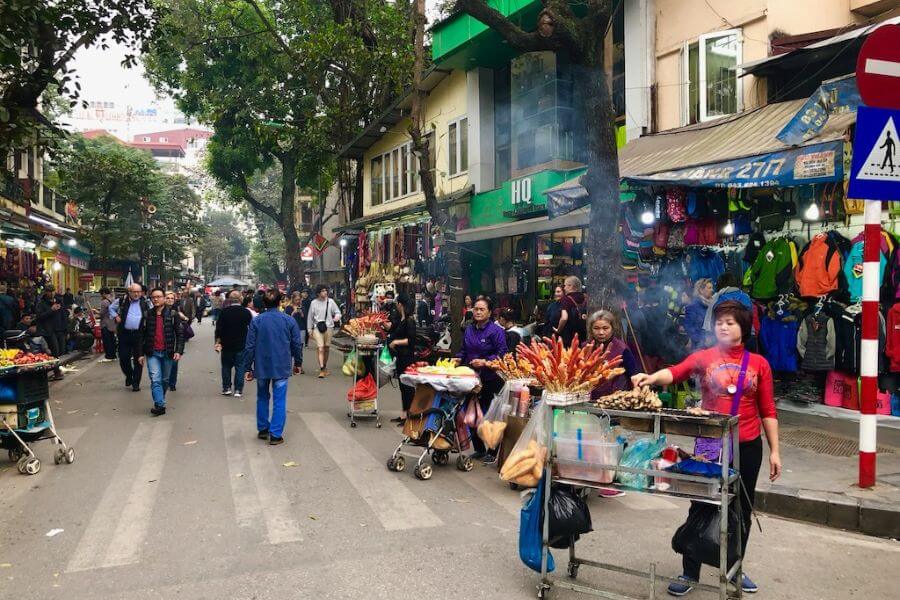
December to February
Travelers sometimes assume that Vietnam is warm throughout the year. Hanoi can be a surprise.
Winter temperatures can feel quite cool, especially when the weather is damp or windy. The temperature may not look particularly low on a forecast, but the combination of humidity, limited sunshine and time spent outdoors can make it feel colder than expected.
For visitors who prefer cooler conditions to summer heat, winter can be a comfortable season for sightseeing, provided they pack appropriately.
Why visit Hanoi in winter?
Winter brings a different atmosphere to the city.
It’s a good time to settle into a café, order a hot drink and watch Hanoi move around you. A bowl of pho or another steaming noodle dish can feel particularly satisfying on a cool morning.
You can also explore the city’s historical attractions, markets and neighbourhoods without dealing with the most intense summer heat.
However, winter isn’t always dry or sunny. Some days are grey, misty or damp, and outdoor views may be less clear than you hoped.
If photography is a priority, leave some flexibility in your schedule rather than placing all your expectations on a single day.
What should you wear?
Bring layers.
A light jacket may be enough on a mild afternoon, but cooler mornings and evenings can call for something warmer. If you’re visiting from a tropical destination, don’t assume that your usual warm-weather clothing will be sufficient.
Winter can also coincide with Lunar New Year, depending on the calendar. If your visit overlaps with the holiday, check accommodation availability, attraction opening hours and transport arrangements in advance.
What Is the Best Month to Visit Hanoi for Different Travel Experiences?
Rather than choosing a month simply because it’s popular, think about the kind of trip you want to have.
For walking tours and sightseeing
October and November are strong options for travelers who want to explore the Old Quarter, Hoan Kiem Lake, the French Quarter and Hanoi’s historical landmarks on foot.
March and April can also work well, although humidity and occasional drizzle may affect comfort.
For photography
Autumn is an appealing choice for street photography and architectural details. Early mornings and late afternoons can offer attractive light, while the Old Quarter remains interesting in almost any weather.
Winter can create atmospheric scenes on misty days, although visibility is less predictable.
For food and café culture
There is no single best season for eating in Hanoi.
The city’s food culture is part of everyday life throughout the year. Cooler weather may make hot noodle soups and warm cafés especially inviting, while summer is a good excuse to seek out iced coffee, fresh fruit and shaded places to take a break.
Whatever the season, allow time to explore beyond restaurants aimed primarily at tourists.
For countryside day trips
Spring and autumn are often comfortable choices for outdoor excursions from Hanoi. However, the best conditions depend on the destination, rainfall and the activities you want to experience.
If Ninh Binh or another countryside destination is central to your trip, check conditions closer to departure and avoid assuming that the weather in Hanoi will be identical to the weather elsewhere.
For a short visit
If you only have two or three days in Hanoi, comfortable sightseeing weather can make it easier to fit in the experiences you care about.
Autumn is often a good choice, but your arrival time matters too. A late-night landing followed by an early-morning tour can leave you exhausted, regardless of the season.
Build some breathing room into your itinerary.
How Many Days Should You Spend in Hanoi?
For a first visit, three days is a useful starting point.
It gives you time to explore the historic centre, visit several cultural landmarks, enjoy Hanoi’s food scene and experience a neighbourhood or two beyond the busiest tourist streets.
With four or five days, you can slow down or add a day trip outside the city.
The most important thing is to avoid treating every hour as an opportunity to fit in another attraction. Hanoi is often most enjoyable when you leave time for a coffee stop, a leisurely meal or an unexpected discovery.
Your arrival schedule should be part of that planning.
If you land early in the morning after a long flight, a demanding full-day itinerary may not be the best choice. If you arrive late at night, you may prefer to begin sightseeing the following morning rather than rushing straight into activities.
Before You Explore Hanoi – Plan Your Arrival at Noi Bai Airport
The weather is only one part of a comfortable trip. Your experience at the airport can also influence how the first day unfolds.
After an international flight, you may need to complete immigration procedures, collect your luggage, pass through customs and arrange transportation to your accommodation. The time required varies depending on flight schedules, passenger volumes and individual circumstances.
If you’re unfamiliar with Noi Bai International Airport or simply want additional support, it can be useful to understand the available airport assistance services before departure.
What is Fast Track at the airport?
Fast Track and related airport assistance services are designed to help eligible passengers navigate certain parts of the airport process with support from a service provider.
Depending on the service purchased and the arrangements available at the airport, assistance may include meeting a passenger on arrival, providing directions and supporting the passenger through designated airport procedures.
The exact inclusions matter. Fast Track should not be understood as a guarantee of immediate processing or exemption from immigration, customs or security requirements. These remain subject to the relevant authorities and operating conditions.
When might Aviation Plus be useful?
Aviation Plus offers airport Fast Track and assistance services at major airports in Vietnam, including Noi Bai International Airport.
Such services may be worth considering if you’re arriving after a long-haul flight, travelling with family, visiting on a tight schedule or looking for additional support at an unfamiliar airport.
Before booking, confirm which services are included, where the airport representative will meet you, what information you need to provide and whether your flight details have been recorded correctly.
It’s a small part of your overall travel plan, but sorting out arrival arrangements in advance can make the transition from airport to hotel feel much more straightforward.
Frequently Asked Questions
Is October a good time to visit Hanoi?
Yes. October is often one of the more comfortable months for sightseeing, with conditions that can be well suited to walking and outdoor activities. However, rainfall and temperatures vary, so check the forecast before travelling.
Is Hanoi worth visiting in summer?
Absolutely. Summer is hot and humid, and heavy rain can affect outdoor plans, but Hanoi remains lively. Start early, take breaks during the hottest hours and keep your schedule flexible.
Does Hanoi get cold in winter?
Yes. Temperatures can become quite cool, particularly on damp or overcast days. Bring layers and a warmer jacket rather than packing only tropical clothing.
How many days are enough for Hanoi?
Three days is a good starting point for first-time visitors. It allows time for the historic centre, cultural attractions, local food and a more relaxed exploration of the city. Additional days provide more flexibility for countryside excursions.
Should I arrange airport assistance before arriving in Hanoi?
If you want additional support navigating Noi Bai Airport, particularly after a long international flight, arranging an appropriate airport assistance service in advance may be helpful. Check the exact inclusions and meeting arrangements with your provider.
Can I visit Hanoi and take a day trip in the same short holiday?
Yes. Many travelers combine two days in Hanoi with a day trip to a destination such as Ninh Binh. Allow sufficient time for road travel and choose an itinerary that doesn’t leave you exhausted.