
Vietnam Travel Guide
3 Days in Hanoi – A Local-Inspired Itinerary for First-Time Visitors
Oct
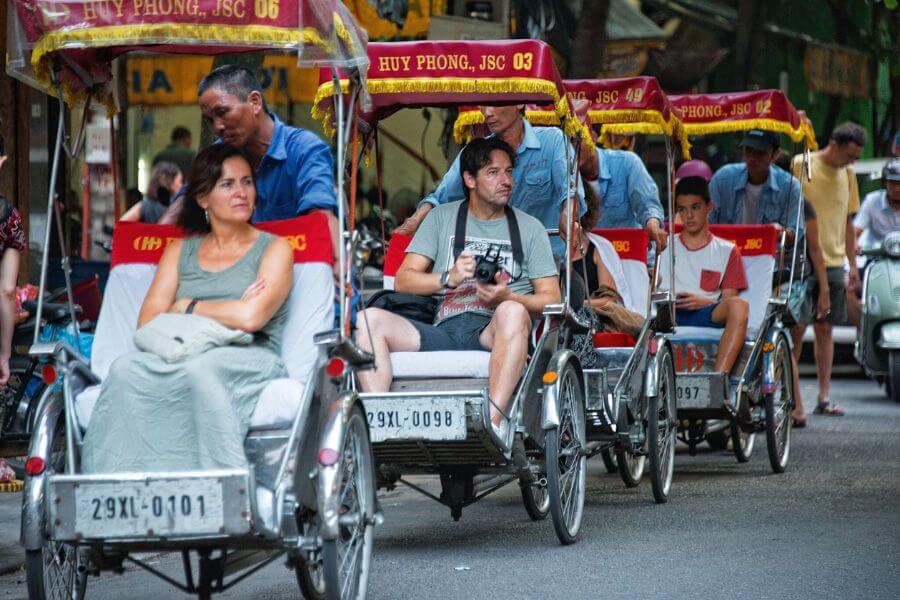
Your first morning in Hanoi might begin with the sound of motorbikes outside your hotel, the smell of fresh coffee drifting up from the street and a food vendor preparing breakfast before most of the city has fully woken up.
Step outside, and the city is already moving. Shopkeepers are opening their doors, locals are gathering around small tables for bowls of pho, and the narrow streets of the Old Quarter are filling with the familiar rhythm of everyday life.
For travelers considering a hanoi tour, this is what makes the capital so rewarding. Its appeal isn’t limited to famous landmarks or carefully planned sightseeing routes. It’s found in the contrast between ancient temples and busy shopping streets, in the quiet around Hoan Kiem Lake early in the morning, and in the simple pleasure of sitting down for a Vietnamese coffee with nowhere else to be.
Three days give you enough time to discover Hanoi’s essential sights, understand something of its history, and enjoy its food culture without spending your entire holiday rushing from one attraction to another.
The itinerary below combines the places worth seeing with the experiences that make them memorable. It also leaves room for practical considerations, including your arrival at Noi Bai International Airport, so you can spend less time worrying about logistics and more time enjoying Vietnam.
Before You Begin – Give Yourself Time to Arrive
Hanoi is an exciting city to explore, but your experience can feel very different depending on how you arrive.
After a long international flight, you may need to pass through immigration, collect your luggage, clear customs and arrange transportation into the city. The process varies according to passenger volumes, flight schedules and individual circumstances.
If you arrive early in the morning after an overnight flight, resist the temptation to plan a full day of sightseeing immediately. Even an enthusiastic traveler can struggle with jet lag, unfamiliar traffic and the heat after several hours in transit.
For travelers who prefer additional assistance at the airport, Aviation Plus offers Fast Track and airport assistance services at Noi Bai International Airport. Depending on the service arranged, assistance may help you navigate designated airport procedures and make your arrival more straightforward. Confirm the exact inclusions and meeting arrangements before booking.
Once you’ve reached your hotel, leave your bags, have a shower and take a little time to settle in. If you feel tired, an easy walk and a good meal are a better introduction to Hanoi than an ambitious sightseeing schedule.
With that in mind, here’s how to make the most of your three days.
Day 1: Fall in Love with Hanoi’s Old Quarter
Your first day is about getting to know Hanoi on foot. Rather than crossing the city repeatedly, concentrate on the historic centre, where lakeside paths, old streets, traditional food and important cultural sites sit within a manageable distance of one another.
Start Early at Hoan Kiem Lake
Suggested time: Early morning
If you can manage an early start, make your way to Hoan Kiem Lake before the streets become too busy.
In the morning, the lake offers a glimpse of Hanoi that many visitors miss when they head straight to the main attractions. Locals walk, exercise, practise tai chi and meet friends along the paths. Some sit quietly by the water, while others stop for coffee before beginning their working day.
Walk around the lake at an unhurried pace. Cross the red Huc Bridge to Ngoc Son Temple if it is open, and take a moment to appreciate the contrast between the peaceful water and the busy streets nearby.
This is a good place to begin understanding Hanoi. The city may look hectic at first, but its everyday routines have their own rhythm.
Wander Through the Old Quarter Without Rushing
Suggested time: Late morning
From Hoan Kiem Lake, continue into the Old Quarter.
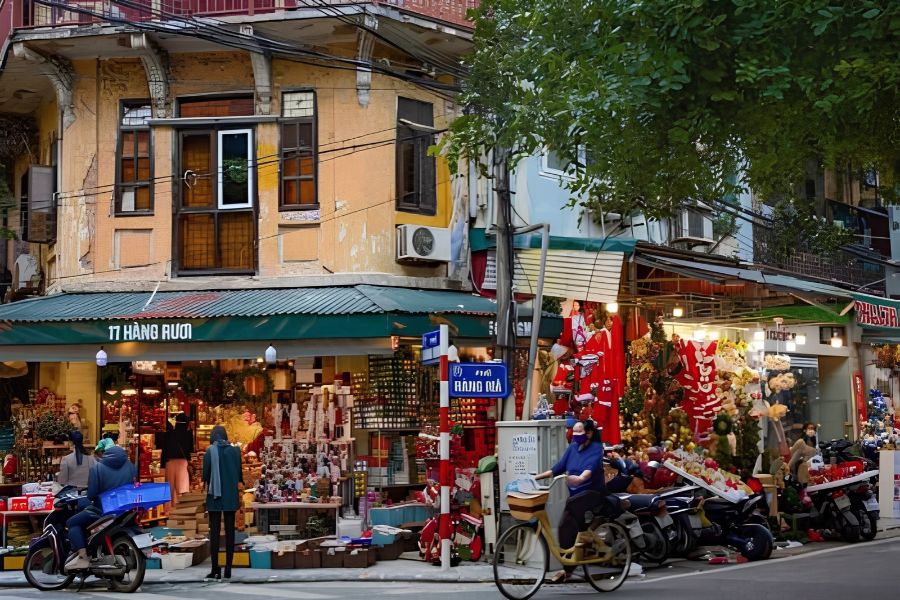
This is where Hanoi’s character becomes especially apparent. Streets are lined with small businesses, family-run restaurants, cafés, shops and buildings that have changed function over generations. Some streets still reflect the area’s traditional commercial history, although modern shops and tourism have transformed much of the neighbourhood.
You don’t need to follow a strict route.
Take a turn when a street catches your attention. Watch a vendor prepare food, browse a shop selling local products or look for a small café tucked away on an upper floor. If you see something interesting, stop.
The Old Quarter is not always comfortable to navigate. Sidewalks can be crowded, motorbikes may occupy pedestrian space, and crossing the road can feel intimidating at first. Stay alert, keep your belongings secure and cross at a steady, predictable pace when it is safe to do so.
Allow yourself enough time to become comfortable with the neighbourhood. Some of the best discoveries happen when you aren’t trying to reach a particular attraction.
Stop for a Proper Hanoi Lunch
Suggested time: Around midday
By lunchtime, you’ll probably be ready to sit down.
Hanoi’s food scene is one of the strongest reasons to spend time in the city, and you don’t need to book an elaborate dining experience to enjoy it.
Start with pho, the Vietnamese noodle soup known internationally but prepared in countless local variations. Northern-style pho is often associated with a clear, aromatic broth and a relatively restrained balance of flavours.
Another Hanoi favourite is bun cha, featuring grilled pork, rice noodles, fresh herbs and a dipping sauce. The ingredients are served separately, allowing you to combine them as you eat.
If you’re unsure where to go, look for a restaurant with a steady flow of customers, check recent reviews and choose somewhere that appears clean and well maintained. A local guide can also help you discover dishes and restaurants that are difficult to identify when you’re unfamiliar with Vietnamese food.
Don’t feel obliged to try everything in one sitting. There will be plenty of opportunities to eat again.
Spend the Afternoon at the Temple of Literature
Suggested time: Early afternoon
After lunch, head to the Temple of Literature, one of Hanoi’s most significant historical and cultural sites.
Originally established in the 11th century, the complex is closely associated with Confucian learning and Vietnam’s scholarly traditions. Its courtyards, traditional architecture and stone stelae offer a quieter setting than the busy streets of the Old Quarter.
Take your time moving through the complex. Rather than simply photographing each courtyard, consider what the site represents: the importance placed on education, scholarship and academic achievement in Vietnamese history.
If the weather is hot, the calmer atmosphere can also provide a welcome break from the city.
Check opening hours before visiting, particularly if your schedule is tight or your trip coincides with a public holiday.
End the Day with Coffee and Street Food
Suggested time: Late afternoon and evening
Return towards the city centre and find a place to try Vietnamese coffee.
Egg coffee is particularly associated with Hanoi. Its creamy topping creates a rich, dessert-like drink that contrasts with the stronger coffee beneath it. If you prefer something lighter, Vietnamese iced coffee is another good choice.
In the evening, let food guide your plans.
You might try fried spring rolls, grilled dishes, noodle-based meals or a selection of smaller snacks. The Old Quarter becomes livelier after dark, with restaurants, cafés and street-food stalls drawing both residents and visitors.
You don’t need to turn dinner into a formal food tour. Choose a few places, eat at a comfortable pace and enjoy watching the neighbourhood change as the evening unfolds.
By the end of your first day, Hanoi should begin to feel a little less unfamiliar.
Day 2: Discover Hanoi’s History Beyond the Old Quarter
Your second day takes you beyond the busy historic centre to explore the people, architecture and events that have shaped Vietnam’s capital.
The key is to group your visits sensibly. Hanoi traffic can be unpredictable, and a short distance on the map doesn’t always translate into a quick journey.
Visit the Ho Chi Minh Complex in the Morning
Suggested time: Early morning
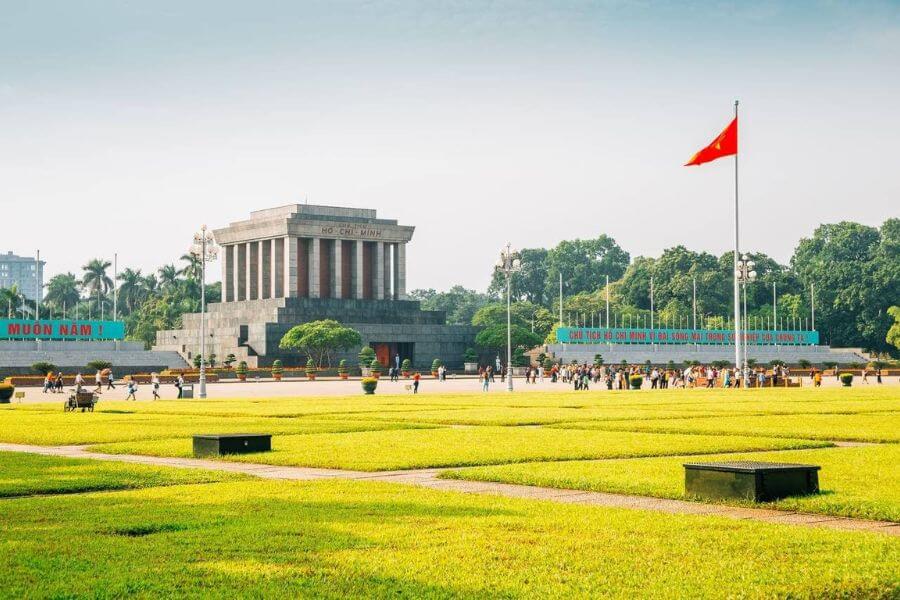
Begin with the Ho Chi Minh Complex, one of the most significant historical areas in Hanoi.
The complex is associated with Ho Chi Minh, the revolutionary leader and former president whose life and legacy remain central to modern Vietnamese history.
Depending on your interests and the opening arrangements, you may visit the mausoleum area, the Presidential Palace grounds, Ho Chi Minh’s stilt house or the Ho Chi Minh Museum.
This is a place where practical planning matters. Access to individual sites may vary, and the mausoleum has specific opening arrangements and visitor requirements. Check official information before your visit rather than assuming every part of the complex will be accessible.
Dress respectfully and allow enough time for security procedures.
See the One Pillar Pagoda
Nearby, the One Pillar Pagoda offers a striking contrast to the monumental scale of the surrounding historical sites.
The pagoda is known for its distinctive design, with its small structure rising above a single pillar. Its unusual form makes it one of Hanoi’s most recognisable religious landmarks.
You don’t need to spend a long time here, but it is worth pausing to appreciate the architecture and the site’s spiritual significance.
As with other religious places, keep your voice low, respect visitors who are praying and follow any posted instructions.
Explore the Imperial Citadel of Thang Long
Suggested time: Late morning to early afternoon
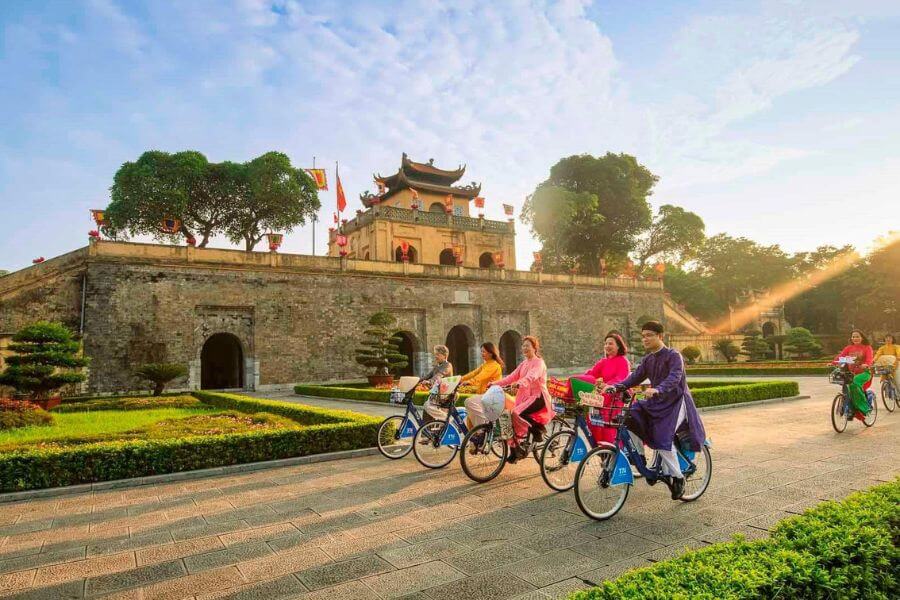
Continue to the Imperial Citadel of Thang Long, a UNESCO World Heritage Site that reflects Hanoi’s long history as a political centre.
The citadel contains archaeological remains and historic structures associated with different periods of Vietnamese rule. Walking through the site provides a sense of how the city developed over centuries, rather than presenting history as a single event or dynasty.
If you enjoy history, archaeology or architecture, you may want to spend longer here. If you prefer a lighter sightseeing schedule, focus on the principal areas and interpretive displays.
A little background knowledge can make this visit much more rewarding. Reading about the citadel before you arrive or visiting with a knowledgeable guide can help connect the remains to the wider story of Hanoi.
Take a Break Before Exploring the French Quarter
By early afternoon, give yourself time for lunch and a rest.
Then head towards the French Quarter, where Hanoi’s streets become broader and the architecture takes on a different character.
The area contains grand buildings, colonial-era façades, embassies, hotels and cafés. It feels quite different from the compact streets of the Old Quarter, and that contrast is part of what makes exploring Hanoi interesting.
Walk at your own pace and pay attention to the details: balconies, doorways, façades and the way older buildings have been adapted for modern life.
Rather than trying to see every landmark, choose a few streets and enjoy the atmosphere.
Spend the Late Afternoon Around West Lake
If you still have energy, finish your day around West Lake, known locally as Tay Ho.
The neighbourhood has a more relaxed atmosphere than the historic centre, with lakeside cafés, restaurants and residential streets.
Find a place to sit, enjoy a drink and watch the light change over the water. If you’re travelling as a couple or simply want a quieter end to the day, this can be a welcome change after a morning of historical sightseeing.
West Lake is also a good reminder that Hanoi is more than its famous landmarks. It is a living city with neighbourhoods that each have their own pace and personality.
Day 3: Leave the City or Discover a Different Side of Hanoi

Your final day depends on what you enjoyed most during the first two.
If you’re excited by landscapes and countryside, use the day to explore beyond Hanoi. If you’ve fallen for the city’s cafés, markets and everyday life, stay in the capital and explore more slowly.
Both choices are worthwhile. The important thing is to avoid squeezing a long excursion into a day when you have an evening flight or another fixed commitment.
Option 1: Take a Day Trip to Ninh Binh
For travellers who want to see a different side of northern Vietnam, Ninh Binh is a popular choice.
The region is known for limestone mountains, waterways, temples and rural scenery. Depending on the itinerary, you may take a boat trip through a dramatic landscape of karst formations, visit a historic temple or explore the countryside.
The journey from Hanoi takes time, so a full-day excursion is generally more practical than attempting to fit Ninh Binh into a few spare hours.
Choose an itinerary that balances travel with time at the destination. A day trip should leave you with an opportunity to enjoy the scenery, not simply a series of hurried stops.
Weather also matters. During hot or rainy periods, outdoor activities can feel more demanding, so check conditions and bring suitable clothing.
Ninh Binh is particularly worthwhile if your wider Vietnam itinerary focuses heavily on cities and you want to experience the countryside before moving on.
Option 2: Explore Hanoi’s Traditional Villages and Craft Culture
If you prefer cultural experiences but don’t want to spend most of the day travelling, consider a visit to a traditional village or craft community near Hanoi.
Depending on the destination and available activities, you may learn about local crafts, observe traditional production methods, visit community spaces or gain a better understanding of life outside the capital’s busy commercial districts.
Research the specific village before booking. Not every destination offers the same level of visitor access, and some activities require advance arrangements.
The most rewarding experiences are those that respect local communities and provide genuine context rather than treating a village as a backdrop for photographs.
Option 3: Stay in Hanoi and Enjoy a Slower Day
There is absolutely no need to leave Hanoi just because it is your third day.
In fact, this may be the best choice if you have enjoyed exploring the city without a fixed schedule.
Start with breakfast at a local restaurant. Visit a museum or return to a neighbourhood you particularly liked. Spend time browsing shops, buying Vietnamese coffee to take home or looking for locally made products.
You could also revisit the Old Quarter to explore streets you missed earlier or spend more time enjoying the city’s café culture.
A slower day can be especially appealing if you have an evening flight, need to pack or simply want to avoid the pressure of another long excursion.
The best final day is one that fits your energy level and onward travel plans.
Where Should You Stay for Three Days in Hanoi?
For most first-time visitors, the area around Hoan Kiem Lake and the Old Quarter is a convenient base.
You’ll be close to restaurants, cafés, markets and several major attractions, making it easier to explore without arranging transportation for every outing.
The French Quarter may suit travellers who prefer elegant surroundings, upscale hotels and a slightly different atmosphere. West Lake is worth considering if you value quieter streets, lakeside dining and a more residential setting.
Before booking, consider how you’ll spend your time. A hotel that looks attractive online may not be the most practical choice if it adds unnecessary travel to every day.
For a short visit, location can be just as important as the hotel itself.
What Should You Eat During Your Three Days in Hanoi?
Hanoi’s food deserves more than a single meal squeezed between attractions.
Start with pho or another traditional breakfast. Try bun cha for lunch, explore local snacks in the afternoon and leave at least one evening free for discovering different dishes around the Old Quarter.
Egg coffee is worth trying if you’re curious about Hanoi’s distinctive café culture, while Vietnamese iced coffee is a good option when you need a refreshing break.
If you have dietary restrictions or food allergies, communicate them clearly before ordering. Some dishes contain fish sauce, peanuts, shellfish or other ingredients that may not be immediately obvious.
Most importantly, don’t feel that you must try every famous dish. Choose a few that interest you and enjoy them properly.
A Few Practical Things to Know Before You Go
Wear comfortable shoes. Hanoi’s pavements can be uneven or crowded, so practical footwear makes a noticeable difference.
Carry some cash. Cards are accepted in many hotels and larger establishments, but smaller restaurants and market vendors may prefer cash.
Keep an eye on the weather. Summer heat and rain can affect how comfortable it is to explore, while winter may be cooler than you expect.
Dress respectfully at religious sites. Check local requirements before visiting temples, pagodas and formal historical attractions.
Keep your schedule realistic. Three days is enough for a rewarding introduction to Hanoi, but trying to see every attraction can leave you with little time to enjoy the city itself.
Planning Your Arrival at Noi Bai Airport
Your Hanoi experience begins before you reach the Old Quarter.
If you’re arriving internationally, think about your airport arrangements before departure. Check your flight details, have your accommodation address accessible and decide how you’ll travel from Noi Bai Airport to your hotel.
For travellers who would appreciate additional support, Aviation Plus offers Fast Track and airport assistance services at Noi Bai and other major airports in Vietnam.
The service you choose should match your actual needs. Confirm what is included, where assistance begins and whether any part of the airport process remains subject to standard immigration, customs or security procedures.
If you’re arriving late at night, travelling with family or connecting to another destination, having these details arranged beforehand can help you avoid unnecessary uncertainty.
It’s also worth remembering that Fast Track does not eliminate the need to comply with immigration requirements or guarantee a particular processing time. Its value lies in the specific assistance provided under the service you’ve booked.
Once your arrival arrangements are clear, you can plan the rest of your Hanoi stay with greater confidence.