
Asia Tourist Attractions - Best Places to Visit in Asia, Asia Travel Guide & Information, Vietnam Travel Guide
How to Plan a Vietnam Trip – A Complete Guide for International Travelers Updated 2026

Jun
Planning a trip to Vietnam can be one of the most rewarding travel experiences in Asia. From the breathtaking limestone landscapes of Ha Long Bay and the ancient charm of Hoi An to the bustling streets of Ho Chi Minh City and the mountain villages of northern Vietnam, the country offers an incredible diversity of destinations, cultures, and experiences.
For first-time visitors, however, planning a trip to Vietnam may seem overwhelming. Questions about visas, transportation, weather, accommodations, and travel routes often arise before booking flights. Many travelers also choose to consult experienced vietnam local tour operators to understand regional logistics better and create customized itineraries that match their interests and travel style.
This comprehensive Vietnam travel guide will walk you through every stage of the planning process, helping you confidently plan a Vietnam trip that is smooth, memorable, and perfectly suited to your needs.
Why Vietnam Should Be Your Next Travel Destination
Vietnam has become one of Southeast Asia’s fastest-growing tourism destinations, attracting millions of international visitors every year. The country’s appeal lies in its unique combination of natural beauty, rich history, vibrant culture, and exceptional value for money.
Unlike many destinations where attractions are concentrated in one region, Vietnam stretches over 1,600 kilometers from north to south. This geographical diversity creates dramatically different experiences across the country.
Travelers can explore:
- Ancient temples and imperial cities
- Stunning mountain landscapes
- World-famous beaches
- Traditional villages
- Bustling modern cities
- Authentic culinary experiences
- UNESCO World Heritage Sites
Whether you are seeking adventure, cultural immersion, luxury travel, family vacations, or romantic getaways, Vietnam offers something for every traveler.
Understanding Vietnam Before You Travel
Geography and Regional Differences
One of the most important aspects of planning a trip to Vietnam is understanding the country’s geography.
Vietnam is commonly divided into three regions:
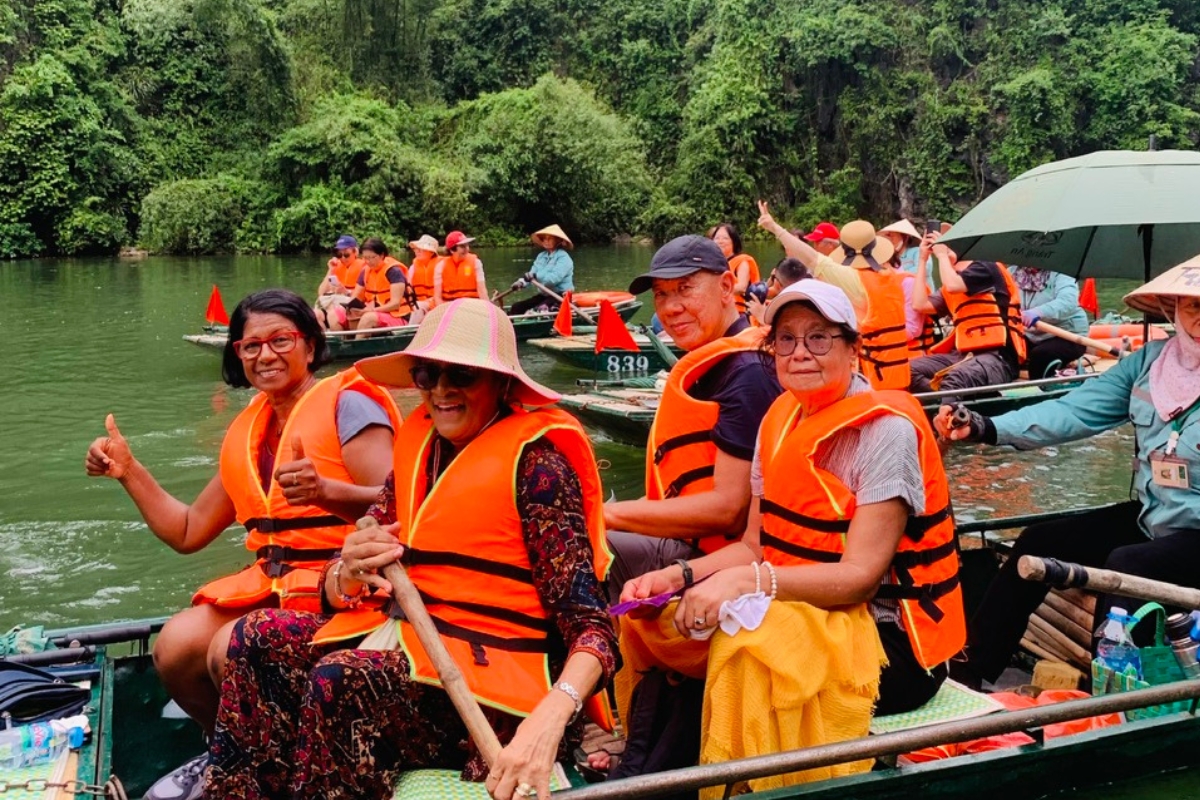
Northern Vietnam
Northern Vietnam is known for its dramatic mountains, cultural heritage, and cooler climate.
Popular destinations include:
- Hanoi
- Ha Long Bay
- Ninh Binh
- Sapa
- Ha Giang
This region is ideal for travelers interested in history, ethnic minority cultures, and scenic landscapes.
Central Vietnam
Central Vietnam offers a fascinating blend of heritage sites and coastal beauty.
Highlights include:
- Hoi An
- Da Nang
- Hue
- Phong Nha
The region is famous for its beaches, ancient architecture, and culinary traditions.
Southern Vietnam
Southern Vietnam is vibrant, energetic, and tropical throughout most of the year.
Major destinations include:
- Ho Chi Minh City
- Mekong Delta
- Phu Quoc Island
- Con Dao Islands
Travelers looking for urban excitement, island escapes, and river experiences often focus on southern Vietnam.
Vietnam Visa and Entry Requirements
Do You Need a Visa for Vietnam?
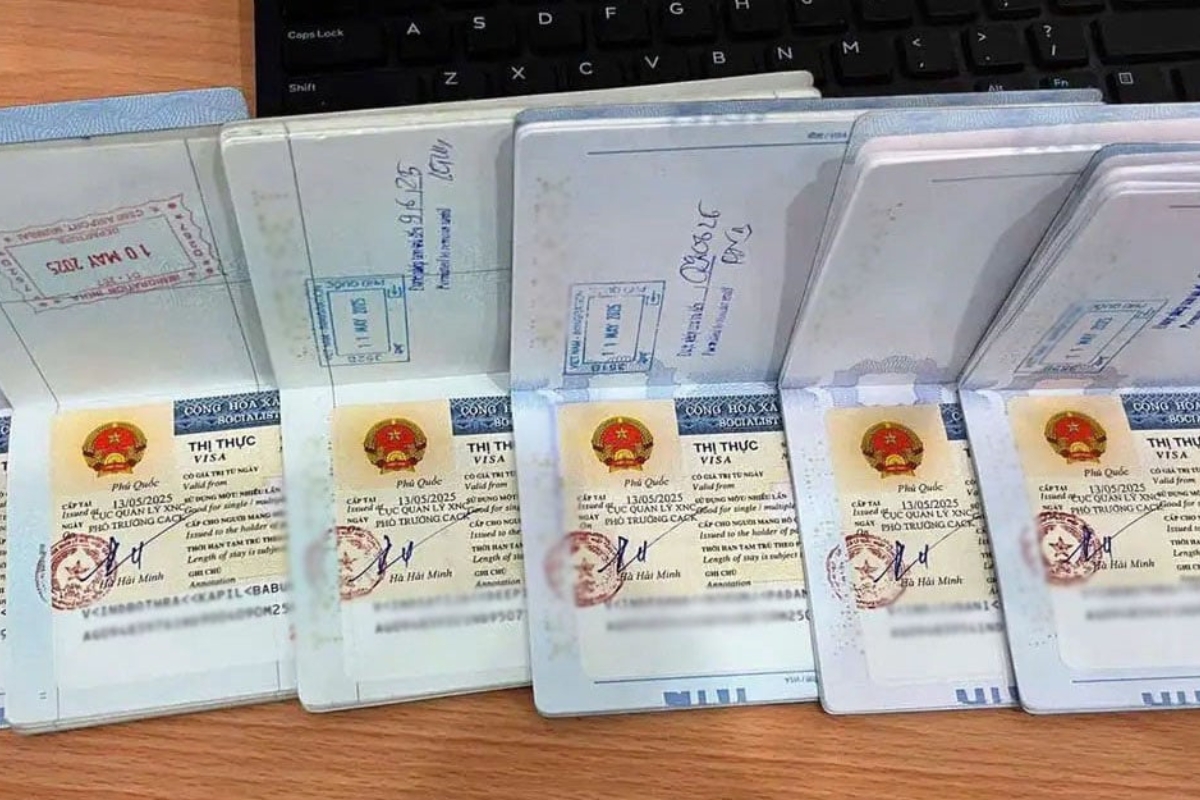
Visa regulations vary depending on nationality and can change periodically.
Many international travelers are eligible for:
- Visa exemptions
- E-visas
- Tourist visas
Before departure, always check the latest immigration regulations through official government channels.
Important Airport Arrival Tips
Upon arriving at major international airports such as:
- Noi Bai International Airport (Hanoi)
- Da Nang International Airport
- Tan Son Nhat International Airport (Ho Chi Minh City)
Travelers may encounter immigration queues, particularly during peak tourism seasons.
Many visitors choose airport Fast Track services to expedite immigration procedures and enjoy a smoother arrival experience after long-haul flights.
For families, senior travelers, business travelers, and those with tight connections, Fast Track services can significantly reduce waiting times and improve the overall travel experience.
How Long Should Your Vietnam Tour Be?

One of the most common questions during Vietnam travel planning is determining the ideal trip length.
The answer depends on your travel goals.
Vietnam in 7 Days
A one-week itinerary is suitable for exploring one region.
Examples include:
Northern Vietnam Route: Hanoi – Ninh Binh – Ha Long Bay – Hanoi
Southern Vietnam Route: Ho Chi Minh City – Mekong Delta – Phu Quoc
A 7-day trip allows for meaningful exploration without rushing.
Vietnam in 10 Days
A 10-day Vietnam travel itinerary enables travelers to combine two regions.
Popular route: Hanoi → Ha Long Bay → Hoi An → Da Nang
This itinerary balances cultural experiences, natural attractions, and relaxation.
Vietnam in 14 Days
Two weeks is often considered the ideal duration for planning a trip to Vietnam.
Sample route: Hanoi → Ninh Binh → Ha Long Bay → Hue → Hoi An → Da Nang → Ho Chi Minh City → Mekong Delta
This itinerary covers many of Vietnam’s most iconic destinations while maintaining a comfortable pace.
Vietnam in 3 Weeks or More
Travelers with three weeks or longer can explore:
- Ha Giang Loop
- Sapa
- Phong Nha
- Phu Quoc
- Con Dao
Longer trips allow for deeper cultural immersion and more off-the-beaten-path experiences.
Creating the Perfect Vietnam Travel Itinerary
Step 1: Define Your Travel Style
Before booking anything, determine your priorities.
Are you interested in:
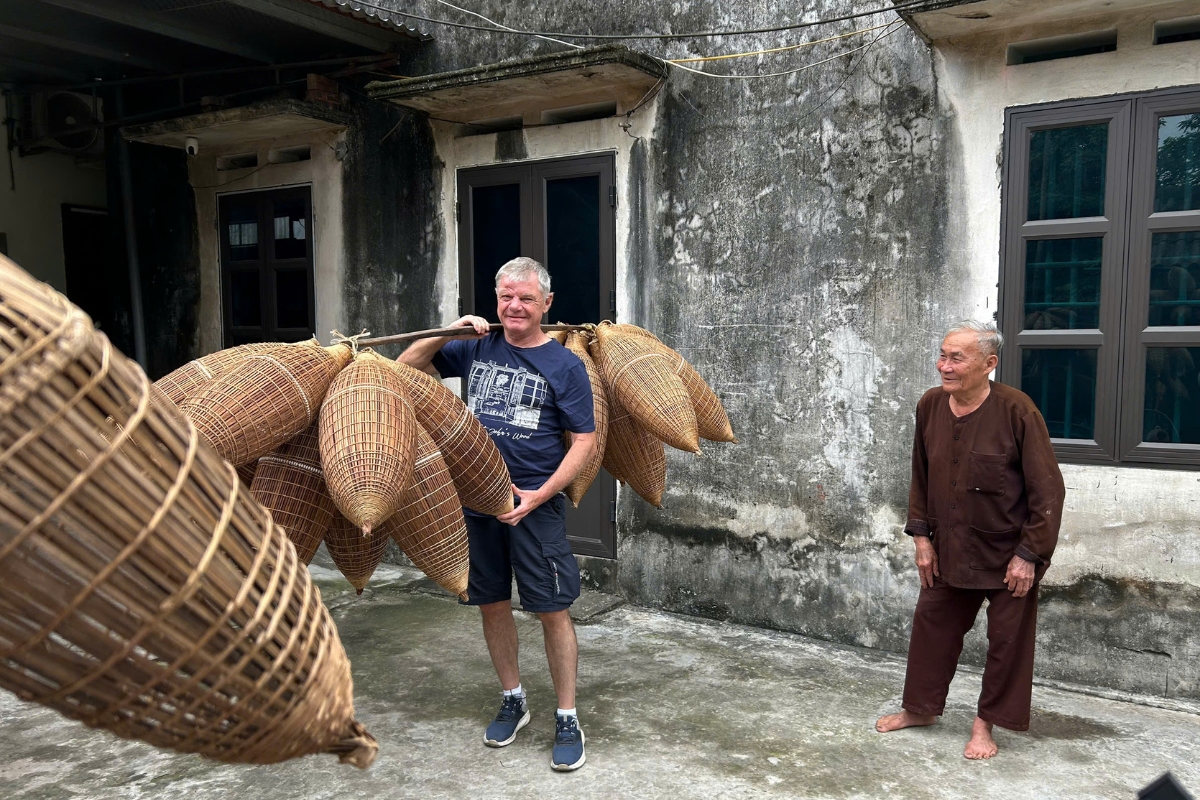
Cultural Exploration
- Hanoi
- Hue
- Hoi An
- Traditional villages
Nature and Adventure
- Sapa
- Ha Giang
- Ha Long Bay
- Phong Nha
Beach Vacations
- Da Nang
- Nha Trang
- Phu Quoc
- Con Dao
Food Experiences:
Vietnam is one of the world’s most exciting culinary destinations.
- Hanoi
- Hue
- Hoi An
- Ho Chi Minh City
Your travel style should shape every aspect of your Vietnam travel itinerary.
Step 2: Determine Your Budget
Vietnam offers excellent value across all travel categories.
Budget Travelers with a daily budget of $30–50
Mid-Range Travelers with a daily budget of $70–150
Luxury Travelers with a daily budget of $200+
Luxury experiences in Vietnam often cost significantly less than equivalent services in Europe, North America, or Australia.
Step 3: Book Flights Strategically
Vietnam has major international gateways:
- Hanoi (North)
- Da Nang (Central)
- Khanh Hoa (Central)
- Phu Quoc (South)
- Can Tho (South)
- Ho Chi Minh City (South)
Transportation in Vietnam
Domestic Flights
Domestic flights are the fastest way to cover long distances.
Popular routes include:
- Hanoi to Da Nang
- Da Nang to Ho Chi Minh City
- Hanoi to Phu Quoc
Flights are affordable and widely available.
Trains
Vietnam’s railway network offers scenic journeys through the countryside.
The Reunification Express connects:
Hanoi – Hue – Da Nang – Ho Chi Minh City
Train travel provides a more immersive experience compared to flying.
Private Transfers
Private transportation is ideal for:
- Families
- Small groups
- Luxury travelers
Benefits include:
- Greater flexibility
- Comfort
- Door-to-door service
Accommodation Planning in a Vietnam Tour
Vietnam offers accommodations for every budget and preference.
Hotels
International hotel brands are available in major cities.
Boutique Properties
Boutique hotels are particularly popular in:
- Hanoi
- Hoi An
- Hue
These properties often provide authentic local character and personalized service.
Resorts
Beach destinations feature world-class resorts suitable for honeymooners and luxury travelers.
Booking accommodations in advance is recommended during:
- Tet Holiday
- Summer vacation season
- Christmas and New Year
Essential Vietnam Cultural Tips for International Travelers
Respect Local Customs
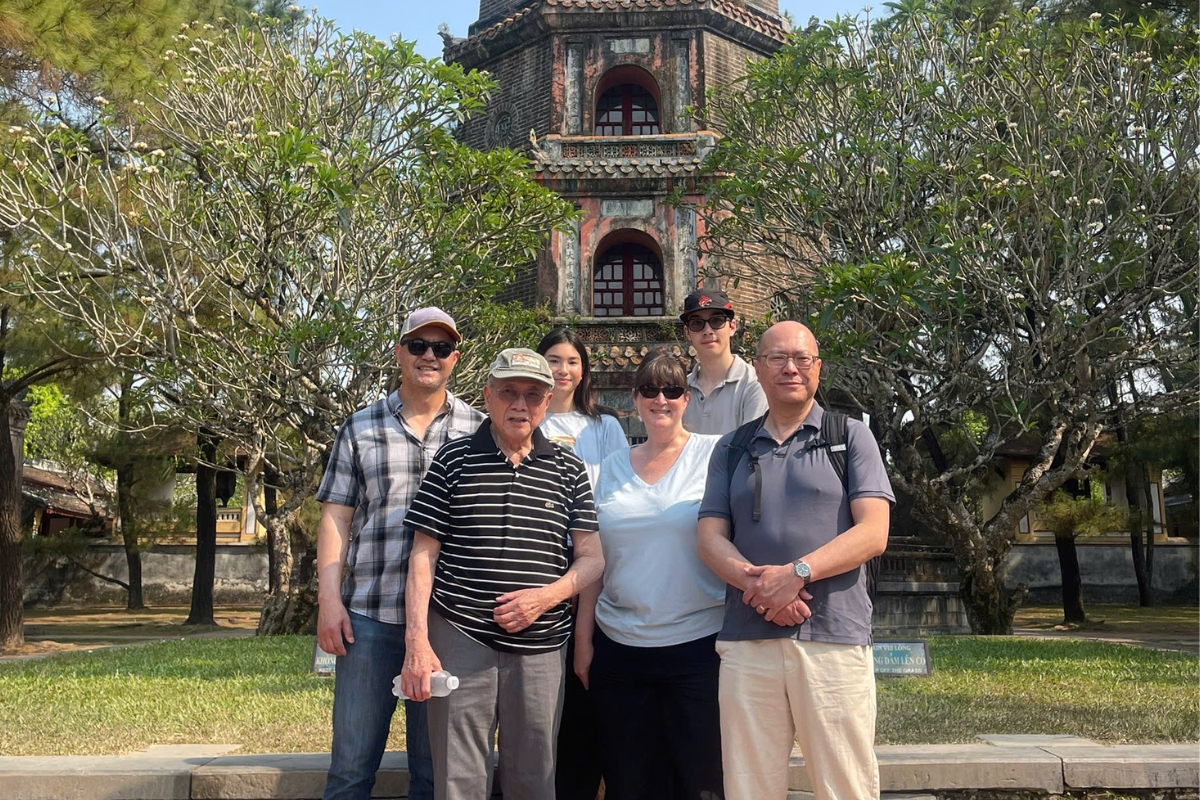
Vietnamese culture values politeness and respect.
When visiting temples and religious sites:
- Dress modestly
- Speak quietly
- Follow local etiquette
Learn Basic Vietnamese Phrases
Simple greetings can greatly enhance interactions.
Examples:
- Xin chào (Hello)
- Cảm ơn (Thank you)
Locals appreciate visitors who make an effort to engage with the culture.
Understand Local Dining Etiquette
Food is central to Vietnamese culture.
Travelers should be open to:
- Street food experiences
- Family-style dining
- Regional specialties
Many of Vietnam’s best culinary experiences are found outside luxury restaurants.
Airport Tips for a Smooth Arrival In Vietnam
International flights often arrive during peak periods when immigration lines can become lengthy.
To improve your airport experience:
- Complete all required documentation before arrival
- Prepare passport and visa information in advance
- Arrange airport transfers ahead of time
- Consider Fast Track airport assistance
Services such as immigration assistance, meet-and-greet support, and priority processing can help travelers start their journey more comfortably.
For business travelers, families with young children, and elderly passengers, these services are particularly valuable.
Expert Tips for a Smooth Vietnam Travel Experience
Research Regional Weather Before You Travel
Vietnam’s weather varies considerably from north to south. While Hanoi and Sapa may experience cooler temperatures, destinations such as Ho Chi Minh City and Phu Quoc remain warm year-round.
Before finalizing your Vietnam travel itinerary, check the weather conditions for each destination to ensure you pack appropriately and schedule activities at the best time.
Avoid Overloading Your Itinerary
One of the most common mistakes travelers make is trying to visit too many destinations in a short period. Vietnam is larger than many first-time visitors expect, and transportation between regions can take time.
Instead of rushing from place to place, focus on fewer destinations and spend more time experiencing local culture, cuisine, and attractions.
Book Transportation and Flights in Advance
Domestic flights are the fastest way to travel between Northern, Central, and Southern Vietnam. Booking flights and major transportation services early can help secure better prices and more convenient schedules, especially during peak travel seasons.
Prepare for Airport Arrival Procedures
Before departure, make sure your passport, visa documents, hotel information, and travel plans are easily accessible. Having all required documents ready can help speed up immigration and customs procedures upon arrival.
Consider Fast Track Airport Services
For travelers arriving after long-haul flights, airport queues can be tiring, particularly during busy periods. Fast Track services can help streamline immigration procedures, reduce waiting times, and provide a more comfortable arrival experience.
Stay Flexible and Leave Room for Exploration
While planning is important, some of the best travel experiences happen unexpectedly. Allowing extra time in your schedule gives you the freedom to discover hidden cafés, local markets, and authentic cultural experiences that may not appear in travel guides.
Use this Vietnam travel guide as your starting point, take time to customize your plans according to your interests, and begin your adventure with confidence. With proper Vietnam travel planning, your trip will not only meet expectations—it may become one of the most memorable journeys of your lifetime.