
Asia Travel Guide & Information, AVIATION NEWS
Arriving in Vietnam Airport: A Complete Guide for First-Time International Travelers
Jun
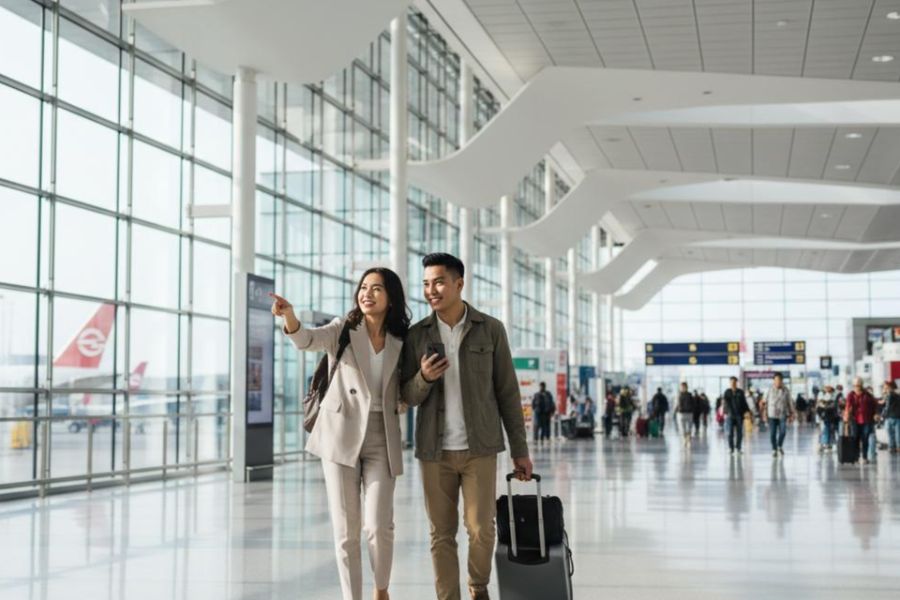
Arriving at a Vietnam airport for the first time can feel overwhelming, especially if you are unfamiliar with immigration procedures, customs requirements, and airport navigation. Whether you land in Hanoi, Ho Chi Minh City, or Da Nang, understanding the arrival process can help you save time and avoid unnecessary stress. Many international travelers choose Fast Track Service In Vietnam to simplify airport formalities and move through arrival procedures more efficiently. This guide explains everything you need to know before arriving in Vietnam, from immigration checkpoints to transportation options after landing.
What to Expect When Arriving in Vietnam Airport
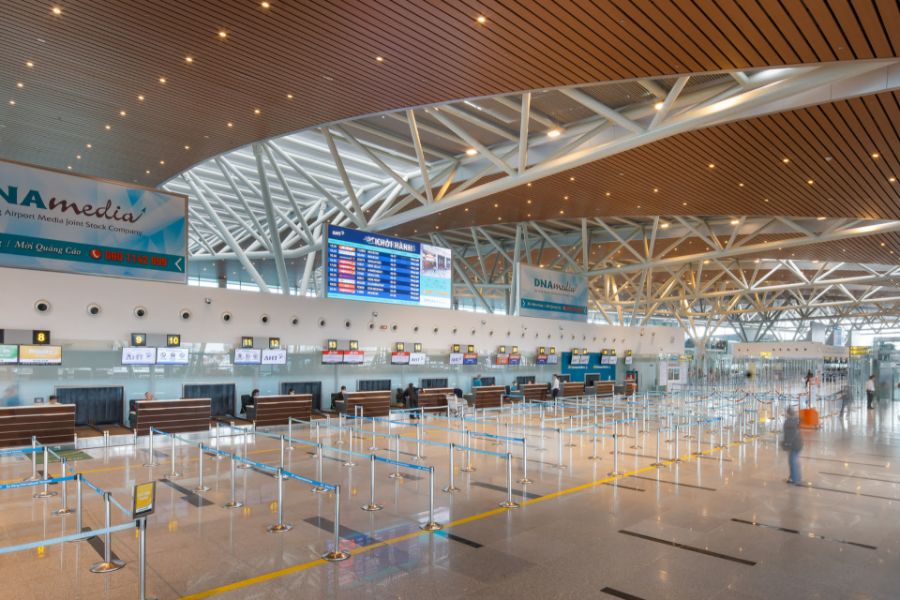
The second your aircraft door opens at an international gateway in Vietnam, you will enter a modern, fully air-conditioned terminal building designed to process thousands of passengers simultaneously. The layout across all major cities is intentionally intuitive, channeling passengers down structural corridors directly toward the central immigration hall.
Before reaching passport control, your first formal encounter will be with the quarantine and health screening checkpoint. Walk-through thermal scanners monitor all deplaning passengers seamlessly. If you are entering through major gateways, you must also be mindful of the latest administrative updates, such as the digital pre-arrival declaration systems designed to minimize paperwork on the tarmac. Overhead signs are prominently printed in both Vietnamese and English, guiding you clearly through each phase of the arrival sequence.
Immigration Procedures in Vietnam
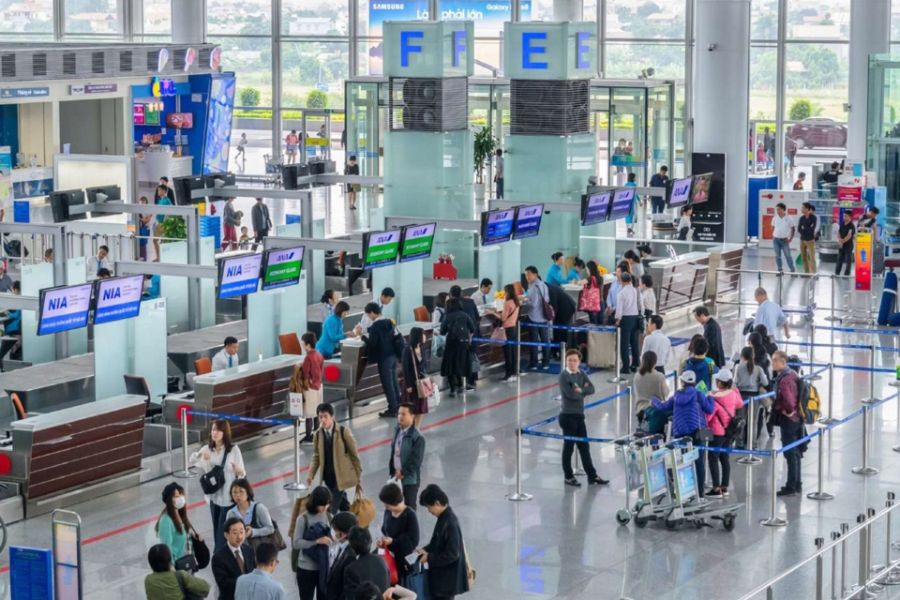
The core of your arrival journey takes place in the immigration hall. This is where your right of entry is legally validated, and having your documents perfectly organized prevents you from being sent to the back of the queue.Before approaching the passport control counter, ensure you have:
- A physical passport with a minimum of 6 months validity remaining.
- A clean, tear-free passport page for the physical entry stamp.
- A printed copy of your approved electronic visa (if applicable).
- Your pre-arrival digital QR code saved offline on your smartphone.
Passport Control
The immigration hall features distinct queues segregated by traveler profile. Look up at the digital lane indicators to choose the appropriate line:
- Foreign Passports: Dedicated exclusively to international visitors.
- ASEAN Passports: Optimized for citizens of Southeast Asian nations.
- Diplomatic & Priority Lanes: Reserved for official personnel and passengers holding priority service vouchers.
Visa Requirements
Your exact interaction at the counter depends strictly on the visa category under which you are entering the country.
E-Visa Holders
The Electronic Visa (e-visa) system is the primary entry pathway for the vast majority of international arrivals.
- Your e-visa must be approved online via the official government portal before you board your flight.
- Crucial Step: Always print a physical paper copy of your e-visa PDF. While border control is increasingly digital, immigration officers regularly demand the paper copy to manually cross-reference data and catalog it at the desk.
Visa Exemption Travelers
Vietnam actively grants unilateral visa waivers to citizens of numerous European, Asian, and Oceanian countries, permitting stays ranging from 14 to 45 days. If you qualify for an exemption:
- Simply present your passport directly to the officer.
- You do not need to fill out prior paperwork, but you must be ready to present proof of an onward or return ticket if requested by the official to verify you intend to exit within the lawful waiver window.
Visa-on-Arrival Considerations
The traditional Visa on Arrival (VOA) system is now predominantly reserved for specialized business travelers, emergency entries, or organized tour groups holding an official pre-approved visa invitation letter issued by the Vietnam Immigration Department. If you possess this letter:
- Do not line up at the main passport control counters.
- Head directly to the “Visa on Arrival / Landing Visa” desk positioned just before the immigration lines.
- Submit your passport, two recent passport-sized photos, the completed NA1 entry form, and the stamping fee in crisp, undamaged cash (US Dollars are preferred). Once the physical visa sticker is affixed to your passport page, you can then proceed to the standard immigration queues.
Customs and Baggage Claim Process
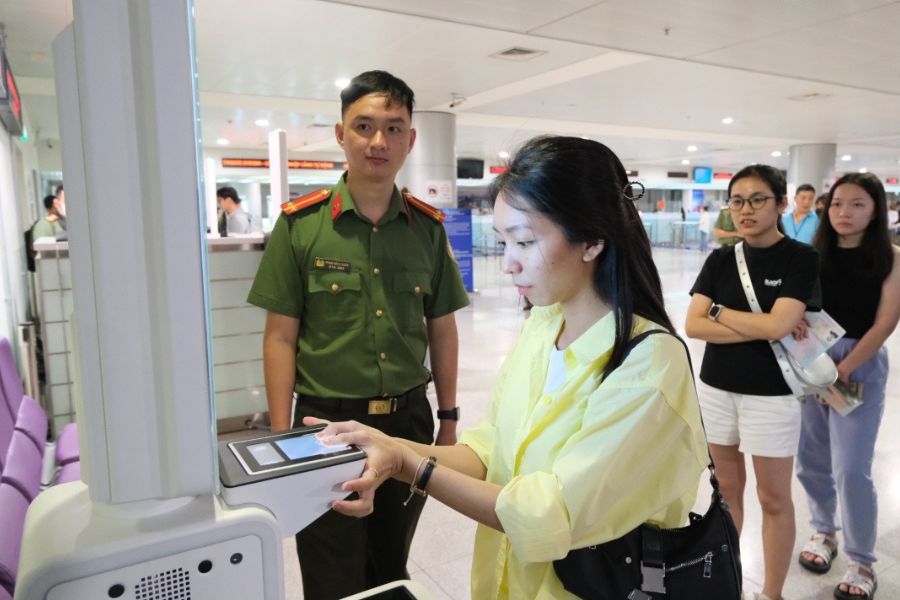
Once the immigration officer stamps your passport with your permitted duration of stay, you will walk through the security gates into the baggage claim hall.
Large overhead monitors display flight numbers corresponding to specific motorized baggage carousels. While waiting for your luggage, keep an eye out for airport luggage carts, which are provided entirely free of charge.
After collecting your checked bags, you must pass through the final regulatory barrier: the customs inspection zone. Vietnam utilizes a dual-channel customs system that requires passengers to self-select their pathway based on what they are bringing into the country.
- The Green Channel (Nothing to Declare): If you are carrying standard personal effects that fall well within duty-free allowances, proceed down this lane. Even in the green channel, all bags including carry-ons are typically passed through an X-ray scanner before you are permitted to enter the public arrivals hall.
- The Red Channel (Goods to Declare): You must enter this channel if you are carrying items that exceed legal duty-free limits or require formal declaration.
Critical Customs Safeguards: Travelers must declare foreign currency cash holdings exceeding $5,000 USD (or equivalent value) or Vietnamese Dong cash exceeding 15,000,000 VND. Additionally, strict regulations govern the entry of commercial merchandise, tobacco products exceeding 200 cigarettes, and spirits exceeding 1.5 liters.
Common Arrival Procedures at Major International Airports
While immigration laws remain uniform across the country, the physical execution varies based on the unique operational layouts of individual destinations.
1.Hanoi (HAN):Noi Bai International Airport.
International flights land exclusively at Terminal 2 (T2). The immigration hall here is expansive and situated on the second level. After clearing customs, you will exit onto the first floor. If you need to connect to a domestic flight, you must take a free, marked electric shuttle bus located outside the arrivals exit to reach Terminal 1 (T1), which is located 1 kilometer away.
2.Ho Chi Minh City (SGN):Tan Son Nhat International Airport.
Serving the southern economic hub, international arrivals land at Terminal 2. This terminal experiences massive traffic spikes, particularly during late afternoon and late-night long-haul arrival banks. A mandatory digital pre-arrival declaration system requires all foreign passport holders to fill out their details online at prearrival.immigration.gov.vn within 72 hours before landing to generate an entry QR code. If you are executing a domestic transfer, Terminal 1 is a short 5-to-10-minute walk via an outdoor covered pathway right next door.
3.Da Nang (DAD):Da Nang International Airport.
The primary gateway to central Vietnam, Da Nang’s International Terminal (T2) is compact, highly modern, and exceptionally efficient. Walking distances from the boarding gates to the immigration desks are minimal, and baggage processing times are notably faster than in Hanoi or Saigon. The domestic building is connected directly via an interior corridor, making transfers stress-free.
How Long Does the Arrival Process Usually Take?
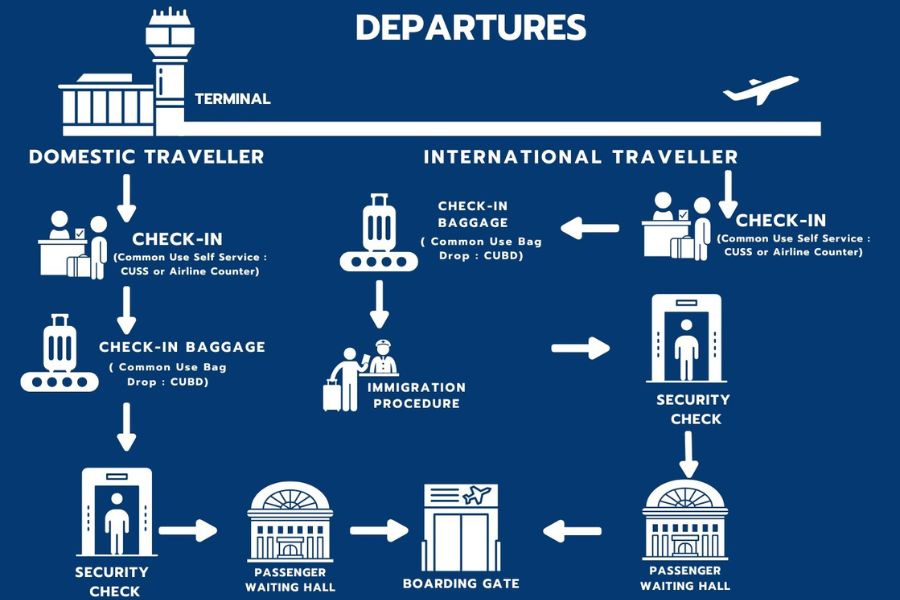
The duration of your airport journey fluctuates heavily depending on your arrival time, flight volume, and terminal capacity. During off-peak morning or early afternoon hours, walking completely through immigration, baggage claim, and customs takes roughly 30 to 45 minutes.
However, during peak arrival windows-typically between 4:00 PM and 10:00 PM when multiple wide-body aircraft from Europe, Northeast Asia, and the Middle East land simultaneously-queues at passport control can swell dramatically. Under these dense traffic conditions, waiting in the standard foreign passport line alone can take 60 to 90 minutes. This highlights why pre-booking fast-track priority services is a popular choice for business executives and luxury travelers who want to bypass lines completely.
Common Mistakes First-Time Travelers Make
Avoid these frequent mistakes to ensure your initial entry goes as smoothly as possible:
- Presenting Digital Visas Only: Attempting to show your e-visa approval solely on a smartphone screen. Some border officers strictly require a printed paper copy to stamp and archive.
- Forgetting the Pre-Arrival QR Code for Saigon: Landing at Tan Son Nhat Airport in Ho Chi Minh City without completing the digital arrival card online. While QR codes are available on placards to fill it out upon landing, doing so on airport Wi-Fi while standing in a crowded hall adds unnecessary delays to your entry.
- Carrying Damaged Passports: Attempting to enter with a passport that features significant water damage, loose pages, or deep tears. Vietnamese border authorities take document integrity seriously and can refuse entry to passengers with compromised travel documents.
- Using Unlicensed Taxis: Walking straight out of the arrivals hall doors and accepting rides from aggressive drivers who approach you verbally in the lobby. These unauthorized drivers often utilize unmetered vehicles and charge vastly inflated fares.
Essential Tips for a Smooth Arrival Experience
Incorporate these proactive strategies into your travel checklist to maximize efficiency:
- Have Cash Ready: Keep a small amount of cash on hand. If you need to pay for a landing visa stamp, ensure you have crisp, unfolded US Dollar bills, as torn or heavily creased currency will be rejected by the cashiers.
- Screenshot Important Documents: Save clear screenshots of your e-visa, hotel confirmation address, and flight itinerary offline in your phone’s photo library so you can access them instantly without relying on a roaming internet connection.
- Carry a Pen: Keep a black or blue pen inside your personal carry-on bag. If you need to fill out a customs declaration or a physical landing form, you can do so immediately at the desks without waiting to borrow one.
- Dress for the Climate: The interior of the aircraft and airport terminal may be cool, but stepping past the final sliding glass exit doors will instantly introduce you to Vietnam’s tropical heat and humidity. Wear comfortable, layered clothing.
Transportation Options After Leaving the Airport
Once you cross the threshold into the public arrivals greeting area, you will be met with a bustling crowd of tour guides, families, and transport providers. Navigating this exit area safely requires picking a reliable transportation method.
Official Airport Taxi Stands
Follow the terminal signs to the designated outdoor taxi lines. Stick exclusively to globally recognized, highly regulated taxi brands such as Mai Linh Taxi (distinctive green vehicles) or Vinasun Taxi (white vehicles with red and green trim). These operators utilize calibrated meters, ensuring fair, transparent distance-based pricing.
Ride-Hailing Applications
The safest and most efficient way to secure a ride in Vietnam is via mobile ride-hailing applications, with Grab being the undisputed market leader. Other operational platforms include Xanh SM (an all-electric vehicle fleet) and Be.
- Use the airport’s complimentary Wi-Fi to book your ride inside the terminal.
- The app locks in a transparent price before you step into the car, eliminating fare disputes.
- Proceed directly to the clearly marked ride-hailing pickup lanes situated across the inner airport access roads.
Frequently Asked Questions
1. Can I buy a local SIM card and exchange money at the airport?
Yes, the public arrivals hall of every major international airport in Vietnam features rows of licensed kiosks offering local telecom SIM cards (such as Viettel, Vinaphone, and Mobifone) and currency exchange services. Most telecom booths provide tourist packages that include high-speed 4G/5G data. It is wise to cross-reference exchange rates across multiple bank-operated booths to secure the best rate.
2. Is a digital arrival form required for entry into Hanoi or Da Nang?
Currently, the digital pre-arrival immigration declaration system is actively mandatory for international arrivals at Tan Son Nhat Airport (SGN) in Ho Chi Minh City. While the system is expected to gradually roll out across other major aviation gateways, passengers landing directly at Noi Bai (Hanoi) or Da Nang are not currently required to complete this digital card unless they are connecting onward through Saigon.
3. What happens if my passport expires in less than six months?
Airlines are strictly mandated to check passport validity timelines during check-in at your origin airport. If your passport has less than 6 months of validity remaining from your planned date of entry, you will almost certainly be denied boarding at your point of departure. Vietnam border control strictly enforces this international standard.
4. Are electronic SIM cards (eSIMs) widely supported upon arrival?
Yes, digital eSIMs are an exceptionally popular option for modern international travelers. You can purchase and activate a Vietnamese eSIM online through independent global data providers prior to your departure. The moment your aircraft touches down, you can activate the digital data profile on your smartphone, ensuring instant internet connectivity before you even step off the plane.
5. Can I bring prescription medications through airport customs?
Yes, you can bring personal prescription medication into Vietnam, provided it is kept in its original packaging with a clear, legible pharmaceutical label. For strong painkillers, sedatives, or specialized chronic care medications, it is highly recommended to carry a signed copy of your doctor’s medical prescription stating your full name and diagnosis to avoid issues during random customs screenings.
Conclusion
Successfully arriving in Vietnam airport hubs as a first-time visitor boils down to being organized and knowing what to expect. By ensuring your physical passport is pristine, printing your pre-approved electronic visa documents, staying updated on local pre-arrival digital declarations, and selecting reputable local transportation, you can easily bypass common entry bottlenecks. Navigating these entry protocols with absolute clarity allows you to transition seamlessly from your long-haul flight right into exploring the rich cultural heritage and dynamic landscapes of Vietnam.