
Asia Tourist Attractions - Best Places to Visit in Asia, Asia Travel Guide & Information, Vietnam Travel Guide
Best Time to Visit Vietnam – The Ultimate Guide to Vietnam Weather All Year Round

Jun
Vietnam is a destination that offers something remarkable in every season. From the misty mountains of the north and the heritage-rich central coast to the tropical beaches of the south, understanding the best time to visit Vietnam can help travelers maximize their experience.
Whether you are planning a cultural journey, a luxury vacation, or an adventure holiday, working with experienced best Vietnam tour companies can help you design an itinerary that matches the country’s seasonal patterns and regional climates perfectly.
Because Vietnam stretches over 1,600 kilometers from north to south, weather conditions vary significantly throughout the year. While one region may be enjoying sunshine and clear skies, another could be experiencing rain or cooler temperatures. This guide explores Vietnam weather all year, highlights the ideal time to visit Vietnam for different travel styles, and helps you choose the perfect season for your trip.
Why Understanding Vietnam’s Climate Matters
One of the biggest surprises for first-time visitors is that Vietnam does not have a single weather pattern. The country spans several climate zones, creating distinct seasonal differences between northern, central, and southern regions.
This geographical diversity means there is no universal answer to the question of the Best Time to visit Vietnam. Instead, the answer depends on which destinations you plan to visit and what experiences you want to enjoy.
Travelers seeking trekking adventures in Sapa may prefer different months than those planning beach holidays in Da Nang or island escapes in Phu Quoc. Understanding these variations allows visitors to avoid unfavorable weather and enjoy Vietnam at its finest.
Vietnam Weather All Year by Regions
Northern Vietnam Weather
Northern Vietnam includes Hanoi, Ha Long Bay, Ninh Binh, Sapa, Ha Giang, and surrounding provinces.
The region experiences four distinct seasons:
Spring (March to April)
Spring is widely regarded as one of the most pleasant periods in Northern Vietnam. Temperatures typically range between 18°C and 25°C, creating comfortable conditions for sightseeing and outdoor activities.
The countryside becomes vibrant with blooming flowers, while Hanoi’s streets come alive with fresh greenery and mild weather.
For many travelers, spring represents the ideal time to visit Vietnam if their itinerary focuses on the northern region.
Summer (May to August)
Summer brings warmer temperatures ranging from 28°C to 38°C. Humidity levels increase significantly, and occasional thunderstorms occur, especially during July and August.
Despite the heat, this season offers lush landscapes, dramatic rice terraces, and vibrant local life.
Ha Long Bay remains attractive during summer, although occasional storms may affect cruise schedules.
Autumn (September to November)
Many travel experts consider autumn the Best Time to visit Vietnam, particularly for Northern destinations.
The weather becomes cooler, skies are often clear, and humidity drops considerably. Temperatures range between 20°C and 28°C.
Hanoi is especially beautiful during autumn, with tree-lined boulevards, golden sunlight, and comfortable conditions for walking tours.
Winter (December to February)
Winter in Northern Vietnam can be surprisingly cool. Temperatures in Hanoi often range between 10°C and 20°C, while mountainous areas such as Sapa may experience temperatures close to freezing.
Foggy mornings create atmospheric landscapes, especially in highland regions.
Travelers seeking cooler weather may find winter an appealing option.
Central Vietnam Weather
Central Vietnam encompasses Hue, Da Nang, Hoi An, Quy Nhon, and Nha Trang.
Unlike the north, this region experiences a different rainfall pattern.
Dry Season (January to August)
The dry season is generally considered the Best Time to Visit Vietnam for travelers focusing on Central Vietnam.
Between February and May, temperatures are warm but comfortable, making it ideal for exploring historical sites, beaches, and cultural attractions.
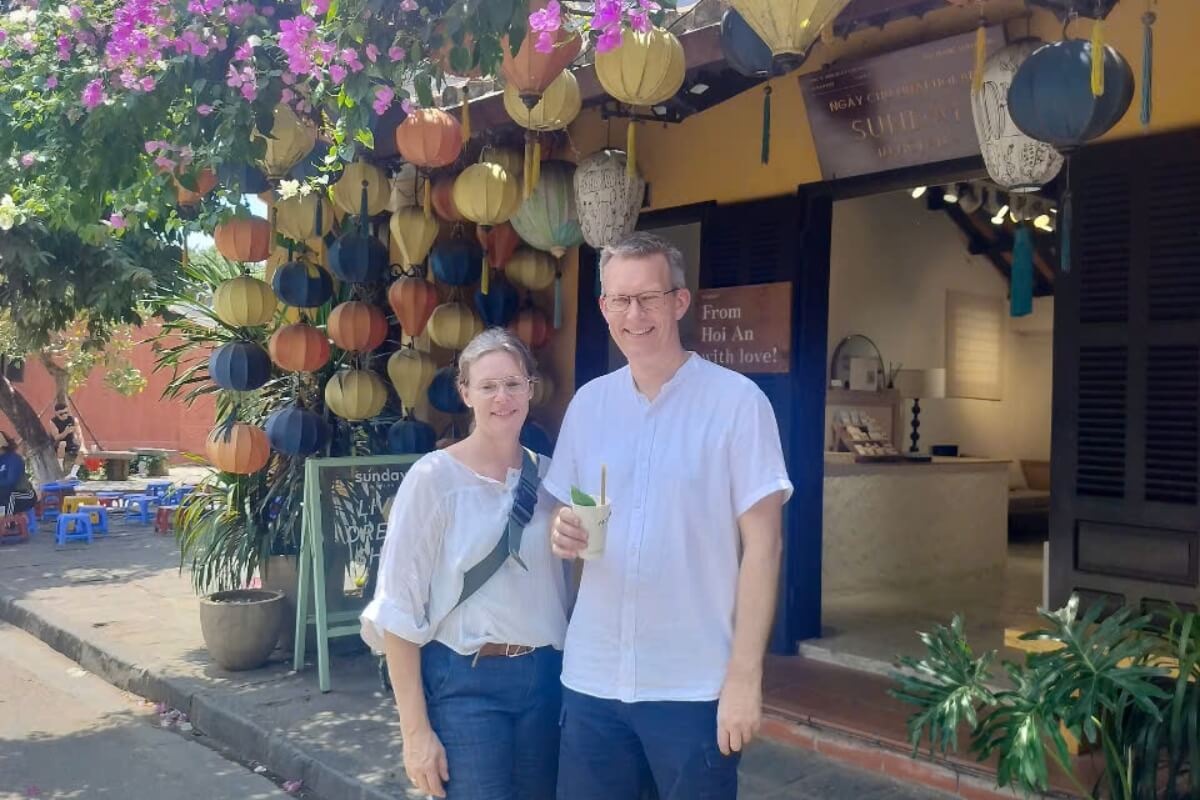
Hoi An’s ancient streets are particularly charming during this period, while Da Nang’s coastline offers excellent beach conditions.
Rainy Season (September to December)
Rainfall increases significantly during these months.
October and November often experience heavy rains and occasional storms, especially in Hue and Hoi An.
Although tourism continues year-round, travelers should monitor weather forecasts when planning visits during this period.
Southern Vietnam Weather
Southern Vietnam includes Ho Chi Minh City, the Mekong Delta, Phu Quoc Island, and surrounding destinations.
The region enjoys a tropical climate with two main seasons.
Dry Season (November to April)
This period is often considered the ideal time to visit Vietnam for travelers focusing on southern destinations.
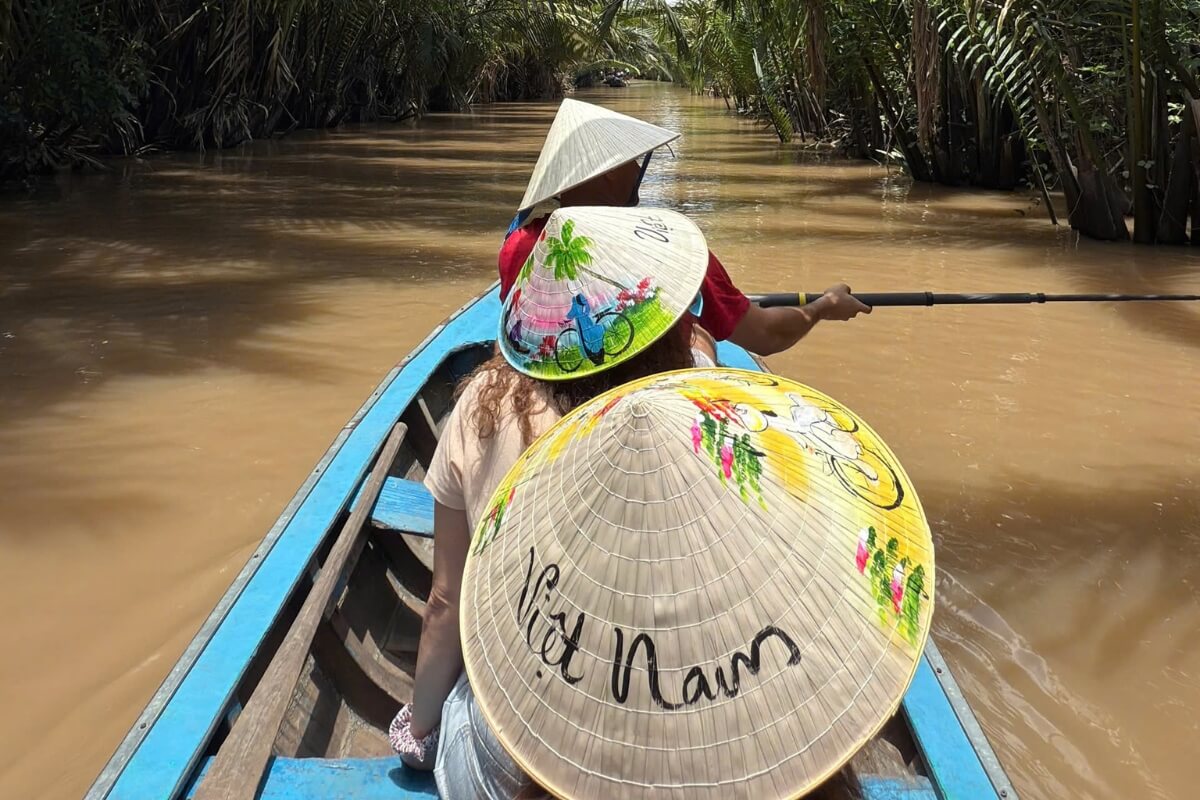
Sunny skies, low rainfall, and pleasant temperatures create excellent conditions for city exploration, island vacations, and Mekong Delta excursions.
Phu Quoc Island is especially popular during these months, offering crystal-clear waters and excellent beach conditions.
Rainy Season (May to October)
Rainfall becomes more frequent, but showers are often short and occur during the afternoon.
The countryside becomes greener and more vibrant, while tourist crowds tend to be smaller.
Many experienced travelers appreciate this season because it offers excellent value and fewer visitors.
Best Time to Visit Vietnam by Travel Style

For First-Time Visitors
For travelers visiting Vietnam for the first time, March, April, October, and November are generally considered the Best Time to visit Vietnam.
During these months, multiple regions enjoy favorable weather simultaneously, making it easier to combine destinations such as Hanoi, Ha Long Bay, Hoi An, and Ho Chi Minh City in a single itinerary.
The pleasant climate also enhances outdoor activities, cultural tours, and sightseeing experiences.
For Beach Holidays
Vietnam’s coastline stretches over 3,000 kilometers, offering exceptional beach destinations throughout the year.
For beach lovers, the best periods include:
- Da Nang and Hoi An: February to August
- Nha Trang: January to September
- Phu Quoc: November to April
- Mui Ne: November to April
Choosing the right season ensures calm seas, sunny skies, and ideal swimming conditions.
For Trekking and Mountain Adventures
Vietnam’s northern mountains attract hikers, photographers, and cultural explorers from around the world.
The Best Time to visit Vietnam for trekking destinations such as Sapa, Ha Giang, and Mu Cang Chai is between September and November.
Rice terraces turn golden, temperatures remain comfortable, and visibility is generally excellent.
March and April also provide beautiful landscapes and pleasant trekking conditions.
For Cultural and Heritage Experiences
Vietnam’s cultural heritage can be enjoyed year-round, but spring and autumn provide particularly favorable weather.
Destinations such as Hanoi, Hue, Hoi An, and Ninh Binh become easier to explore when temperatures are moderate and rainfall is limited.
These seasons are ideal for walking tours, photography, and immersive cultural experiences.
Month-by-Month Travel Guide to Vietnam
January: Cool weather in the north and sunny conditions in the south make January an excellent month for travel.
February: One of the most enjoyable months overall, with comfortable temperatures across much of the country.
March: Many experts consider March among the best times to visit Vietnam due to stable weather and minimal rainfall.
April: Excellent conditions nationwide with warm temperatures and abundant sunshine.
May: Summer begins in the north while southern destinations remain attractive.
June: Ideal for beach vacations in Central Vietnam.
July: Warm temperatures and lush landscapes characterize much of the country.
August: A great time for coastal destinations, although some regions may experience rainfall.
September: Rice terraces in Northern Vietnam reach their peak beauty.
October: Often regarded as one of the most scenic months to visit Vietnam.
November: Cool temperatures and clear skies make November another contender for the ideal time to visit Vietnam.
December: Excellent weather in Southern Vietnam and festive holiday atmosphere nationwide.
Best Time to Visit Vietnam for Popular Destinations

Hanoi: March-April and September-November offer the most comfortable temperatures and pleasant sightseeing conditions.
Ha Long Bay: October to April generally provides clearer skies and cooler temperatures.
Sapa: March-May and September-November are ideal for trekking and mountain scenery.
Ninh Binh: Spring and autumn offer the best weather for boat rides and outdoor exploration.
Hoi An: February through May provides beautiful weather and lower humidity.
Da Nang: March to August is considered the prime travel season.
Ho Chi Minh City: December through April offers dry and sunny conditions.
Phu Quoc: November to April remains the most popular period for beach vacations.
Airport Travel Tips for Every Season in Vietnam
Regardless of when you visit, airport efficiency can significantly impact your travel experience.
Vietnam’s major international airports, including Noi Bai Airport in Hanoi, Da Nang International Airport, and Tan Son Nhat Airport in Ho Chi Minh City, experience seasonal peaks during holidays and high tourist seasons.
Travelers arriving during busy periods often choose professional airport assistance services such as Fast Track, Meet & Greet, and VIP airport support to save time and avoid lengthy immigration queues.
These services become especially valuable during Tet Holiday, summer vacations, and year-end travel periods when passenger volumes increase substantially.
How to Choose the Ideal Time to Visit Vietnam

The ideal time to visit Vietnam ultimately depends on your travel priorities.
If you want comfortable weather throughout multiple regions, March, April, October, and November offer the best balance.
Beach enthusiasts should align their schedules with regional dry seasons, while adventure travelers may prefer autumn for mountain trekking and photography.
Those seeking cultural immersion can enjoy Vietnam year-round, provided they tailor their itineraries to regional weather conditions.
Understanding the weather all year allows travelers to make informed decisions and create memorable experiences regardless of the season.
FAQs about the best time to visit Vietnam
What is the Best Time to Visit Vietnam?
For most travelers, March-April and October-November offer the most favorable weather across multiple regions of Vietnam.
What is the ideal time to visit Vietnam for beaches?
The best beach season depends on the destination. Phu Quoc is ideal from November to April, while Da Nang and Hoi An are best from February to August.
Is Vietnam suitable for travel year-round?
Yes. Due to its diverse climate zones, Vietnam offers excellent travel opportunities throughout the year.
Which month has the best weather in Vietnam?
March is often considered one of the best months because many regions enjoy comfortable temperatures, low rainfall, and pleasant sightseeing conditions.
How does the weather in Vietnam differ by region?
Northern Vietnam experiences four seasons, Central Vietnam has a distinct rainy season from September to December, and Southern Vietnam follows a tropical dry-and-wet seasonal pattern.
Determining the Best Time to Visit Vietnam is less about finding a single perfect month and more about matching your travel goals with the country’s diverse climate patterns.
Thanks to its unique geography, Vietnam offers outstanding travel opportunities throughout the year. Whether you are exploring the historic streets of Hanoi, cruising through Ha Long Bay, relaxing on the beaches of Da Nang, or discovering the vibrant energy of Ho Chi Minh City, there is always an excellent season waiting for you.
By understanding the weather all year and choosing the ideal time to visit Vietnam based on your preferred activities, you can enjoy a smoother, more rewarding journey through one of Southeast Asia’s most captivating destinations.