
Asia Travel Guide & Information, AVIATION NEWS
Hanoi Airport Guide: Everything International Travelers Need to Know
Jun
Hanoi Airport Guide: Everything International Travelers Need to Know
This Hanoi airport guide covers everything international travelers need to know before arriving at or departing from Noi Bai International Airport. As the main gateway to northern Vietnam, Hanoi Airport handles millions of domestic and international passengers each year. Understanding terminal layouts, immigration procedures, transportation options, and airport facilities can help make your journey smoother. Many travelers use Vietnam Fast Track Service to make immigration and airport procedures more efficient during busy travel periods. This guide provides practical information to help you navigate Hanoi Airport with confidence.
Overview of Noi Bai International Airport
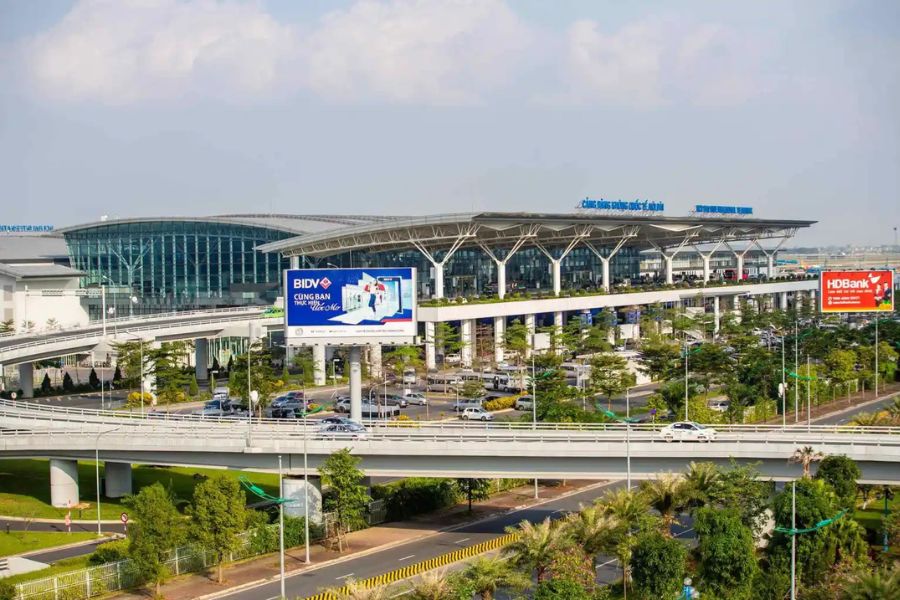
Commonly referred to by its official civil aviation name, Noi Bai International Airport (IATA Code: HAN), this facility stands as the second busiest airport in Vietnam regarding passenger volume, following Ho Chi Minh City’s Tan Son Nhat Airport. Situated in the Soc Son District, the airport lies approximately 35 kilometers (22 miles) north of downtown Hanoi.
Over the past several years, extensive infrastructure modernizations have transformed Noi Bai into a highly functional, dual-terminal asset. It functions as the central operating hub for flag carrier Vietnam Airlines, as well as domestic operators like Vietjet Air and Bamboo Airways, while playing host to dozens of premier global airlines connecting Hanoi to Europe, the Middle East, Australia, and the rest of Asia.
Terminal Guide at Hanoi Airport
Noi Bai features a clean, logical spatial separation between its domestic and international flight operations. The two operations are housed in separate terminal buildings spaced exactly 1 kilometer apart. Terminal 1 (T1) serves domestic flights, while Terminal 2 (T2) handles all international operations at Noi Bai International Airport. The two terminals are located approximately one kilometer apart and are connected by a free airport shuttle service operating every 15 minutes. Passengers transferring between domestic and international flights should allow additional time for terminal changes, particularly during peak travel periods.
Terminal 1 (Domestic)
Terminal 1 (T1) is dedicated entirely to flights within the borders of Vietnam. If you are flying to Hanoi from domestic cities like Ho Chi Minh City, Da Nang, Nha Trang, or Phu Quoc, you will deplane here. T1 is organized into distinct wings (Halls A, B, and E) that can feel closely packed during peak daytime flight banks, reflecting the intense volume of local domestic commuting.
Terminal 2 (International)
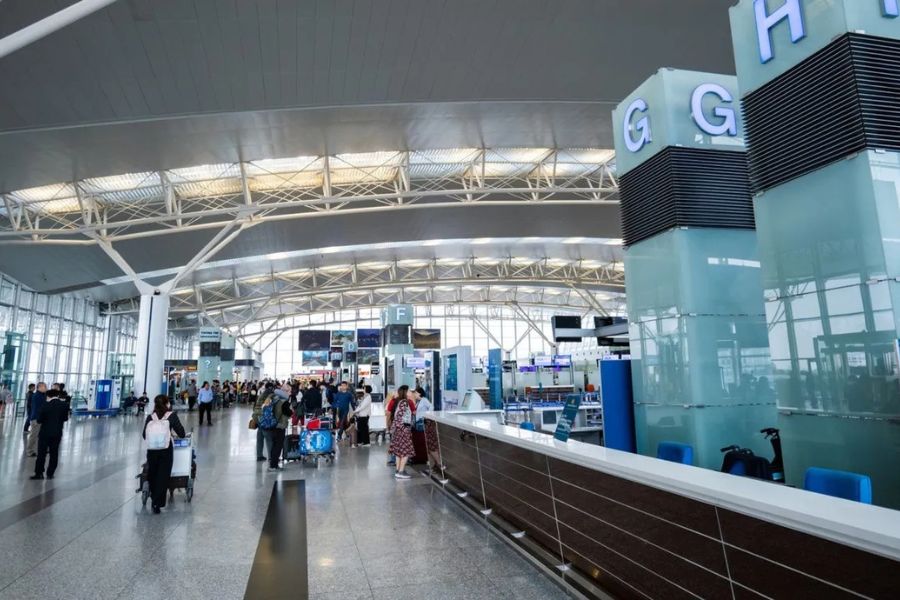
Terminal 2 (T2) is a beautiful, modern glass-and-steel structure that exclusively handles all foreign airline departures and Hanoi airport arrivals. Spanning four extensive floors, T2 is built to international standards with clear English signage, vast high-ceiling architectural layouts, and streamlined passenger routing paths.
Inter-Terminal Transfer Tip: If your travel itinerary requires you to execute a transfer between T1 and T2, do not pay unauthorized drivers for a ride. The airport operates a complimentary electric VinBus shuttle service that connects both terminals. The green buses run continuously from 5:00 AM to 1:00 AM the following day, boasting a frequency of every 15 minutes during peak daytime hours and every 20 minutes late at night.
- T1 Pickup Point: Floor 1, Hall A.
- T2 Pickup Point: Floor 1, Lane 2, near Pillars 11 and 12.
Arrival Procedures at Hanoi Airport
Stepping off an international flight inside Terminal 2 places you on the second level of the building. Your movement through the terminal will systematically follow three distinct regulatory checkpoints before you are permitted to walk out to the public greeting hall on the first floor.
Immigration
Walk down the central arrival corridors following the signs labeled “Passport Control.” As you enter the main immigration hall, choose your queue based on your profile:
- Foreign Passports: For all international tourist, business, and expert travelers.
- E-Visa Processing: If you are utilizing Vietnam’s popular 90-day electronic visa, ensure you have a physical, printed paper copy of your e-visa PDF ready alongside your passport. The border officers frequently require the paper printout to manually archive your data at the desk.
- Visa-on-Arrival (VOA): If you possess an official corporate pre-approval invitation letter instead of an e-visa, stop at the VOA counter positioned right before the main passport control desks to submit your paperwork, photos, and cash stamping fee ($25 USD) to secure your physical visa sticker before joining the main passport control line.
Baggage Claim
Once your passport is physically stamped with your allowed duration of stay, descend the central escalators down to the first floor to enter the baggage claim hall. Large overhead digital displays indicate which flight cargo is arriving on specific motorized carousels. Heavy-duty luggage trolleys are provided completely free of charge and are stacked neatly around the perimeter of the hall.
Customs Clearance
With your checked bags secured, walk toward the terminal exit threshold through the customs check lanes. Noi Bai utilizes a standard green/red channel system:
- Green Channel (Nothing to Declare): For standard travelers carrying personal belongings within legal limits. Be prepared to place all of your luggage including small purses, backpacks, and carry-ons through a final automated X-ray conveyor scanner managed by customs officials.
- Red Channel (Goods to Declare): If you are carrying commercial inventory, merchandise samples, or cash holdings exceeding $5,000 USD (or equivalent foreign currency value), you must formally stop to file a declaration form here.
Departure Procedures at Hanoi Airport
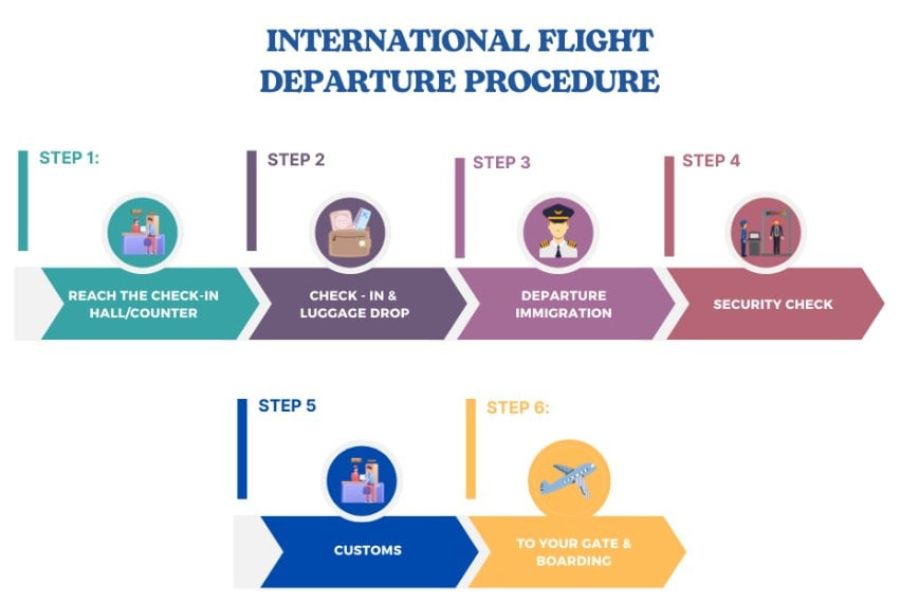
When it is time to say goodbye to Vietnam, your departure process at Terminal 2 will take place on the expansive third floor of the building.
1.Check-In and Baggage Drop: Floor 3, Hall T2.
Locate your operating airline’s check-in island (labeled alphabetically from A to H) on the large central departure monitors. Standard international counters open precisely 3 hours prior to the scheduled departure time and close firmly 50 minutes before wheels up.
2.Exit Immigration Control: Central Security Zone.
Proceed to the central rear section of the departures floor. Present your passport and physical outbound boarding pass to the outbound immigration officers to officially log your departure and exit status from Vietnam.
3.Security & Carry-On Screening: Post-Immigration.
Immediately after passing immigration, enter the security lanes. You must remove laptops, large power banks, and tablets from your bags. Liquid restrictions are strictly applied here any containers holding liquids, aerosols, or gels exceeding 100ml will be confiscated.
4.Access the Boarding Gates: Gates 20 to 36.
Once cleared, you will emerge directly into the airside duty-free retail zone. Turn left or right to follow the overhead numbers guiding you toward your specific gate. Boarding typically commences 45 minutes before departure.
Transportation Options From Hanoi Airport
Once you walk out past the final sliding glass doors of the T2 arrivals hall onto the ground floor, you will face Hanoi’s tropical outdoor air and an array of transport operators. Securing reliable Hanoi airport transportation is crucial to avoid local unmetered taxi scams.
| Transport Type | Travel Time | Average Cost (VND) / Info |
| Express Bus 86 | 45 – 60 mins | 50,000 VND ($2 USD) – Cash only |
| Xanh SM / Grab | 40 – 50 mins | 350,000 – 450,000 VND (App-fixed) |
| Metered Taxi | 40 – 50 mins | 380,000 – 500,000 VND (Regulated) |
| Private Car | 40 – 45 mins | Pre-arranged fixed pricing |
Taxi
If you choose to take a traditional metered taxi, walk past the initial greeting crowd directly to the official outdoor taxi queues. Stick exclusively to well-known, highly regulated local brands to ensure standard meter calculations:
- Mai Linh Taxi: Distinctive entirely green vehicles.
- Vinasun Taxi: Clean white vehicles accented with red and green striping.
Note: Ensure the driver activates the physical meter before the car moves. A standard journey to the Old Quarter generally registers between 380,000 and 500,000 VND, which typically excludes the small airport exit toll (~15,000 to 30,000 VND).
Ride-Hailing Apps
The most popular and secure method used by modern travelers involves app-based bookings. Ride-hailing is heavily regulated at Noi Bai, with dedicated “App-based Pickup” zones clearly marked outside the arrivals hall.
- Xanh SM: An exceptionally popular local platform operating a uniform fleet of bright cyan-colored, whisper-quiet electric VinFast cars. They offer excellent fixed pricing inside their mobile app.
- Grab: The long-standing, highly reliable ride-hailing app utilized extensively across Southeast Asia.
Safety Warning: Always match the physical license plate number of the vehicle with the exact digits displayed on your phone screen before entering a car. Never follow random individuals who approach you in the terminal claiming, “I am your Grab driver.”
Airport Buses
For solo budget travelers or backpackers, the Express Bus 86 is an incredible, highly efficient transport option.
- The Route: T2 Arrival Hall -> T1 Arrival Hall -> Long Bien Transfer Point -> Hanoi Post Office (positioned directly next to Hoan Kiem Lake in the heart of the Old Quarter) -> Hanoi Railway Station.
- Details: The high-quality buses run every 45 minutes from early morning until 10:00 PM. The ticket costs a flat 50,000 VND ($2 USD) per passenger, which you pay directly in cash to the bus conductor onboard. The fleet features spacious luggage racks and clear low-floor boarding entryways.
Private Transportation
For absolute peace of mind, pre-booking a private airport transfer through your hotel or an independent luxury travel portal is highly recommended. A professional driver will wait directly inside the arrivals greeting hall holding a clean placard bearing your name, assisting you with your baggage directly to a waiting premium sedan or electric SUV with all highway tolls pre-paid.
Facilities and Services Available at Hanoi Airport
Terminal 2 at Noi Bai is outfitted with all the modern services required to satisfy international transit standards.
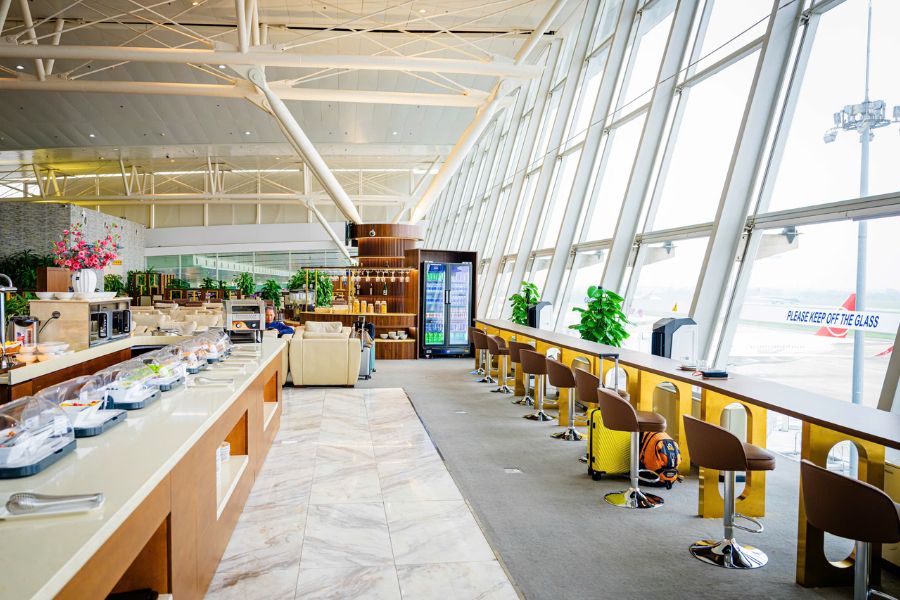
- Lounges: Passengers traveling in Business Class or holding elite frequent flyer status can access premium airline lounges on the fourth floor of T2, such as the Lotus Lounge (Vietnam Airlines) or the independent Song Hong Premium Lounge. These spaces provide luxurious walk-in shower facilities, extensive hot food buffet stations, peaceful workstation desks, and quiet relaxation recliners completely isolated from the busy passenger gates below. Day-passes to the Song Hong Lounge can also be purchased directly at the door by economy ticket holders.
- Dining: The departure and arrival halls feature a diverse culinary selection. If you want a final taste of authentic local cuisine, popular venues serve piping hot bowls of traditional beef phở and fresh crispy bánh mì. If you prefer familiar global comfort food, international chains like Burger King, Popeyes, and Big Bowl are strategically situated across both the landside and airside sectors.
- Shopping: The airside departures zone features a massive layout of luxury duty-free shops managed by global operators. Travelers can purchase premium cosmetics, single-malt scotch, fine Swiss timepieces, and high-end fashion items tax-free. Additionally, specialized souvenir boutiques sell local Vietnamese premium coffee beans, organic lotus tea, high-quality silk garments, and intricate handicrafts perfect for last-minute gifting.
- Currency Exchange: If you require local currency, numerous bank-operated foreign exchange booths (such as VietinBank, BIDV, and Techcombank) are positioned directly on the ground floor of the T2 arrivals exit hall. Avoid unbranded stalls; instead, look for the official bank kiosks to secure competitive market exchange rates. Automated Teller Machines (ATMs) that accept foreign Visa and Mastercard networks are clustered together on the far left and right edges of the ground level.
- SIM Cards: To acquire instant 4G or 5G cellular connectivity, a row of official telecommunication booths sits directly in front of you as you exit the customs baggage zone. The major state-regulated carriers Viettel and Vinaphone provide the most reliable and expansive network coverage across Vietnam. Tourist data packages are very inexpensive and can be set up in minutes by the kiosk staff, who will physically install the micro-SIM or configure a digital eSIM directly onto your smartphone.
Common Mistakes Travelers Make at Hanoi Airport
Even veteran globetrotters can fall into common pitfalls when navigating this specific facility. Keeping these operational nuances in mind will save you time and money:
- Mixing up the Terminal Locations: Forgetting that T1 and T2 are entirely distinct buildings separated by an active highway. Arriving at the domestic terminal for an international flight to Tokyo or London will result in an anxious scramble to catch the shuttle bus, risking a missed flight check-in closure.
- Trusting Airport Transport Touts: Engaging with aggressive individuals standing near the baggage exit doors who offer unmetered car rides. These unauthorized drivers regularly inflate prices significantly or manipulate meter equipment once you are on the highway.
- Attempting to Show Digital Visas Only: Approaching the immigration control desk with your electronic visa displayed solely on a smartphone screen. The border authorities routinely demand a physical, printed paper copy to stamp and clear for their administrative records.
- Underestimating the Distance to the City: Assuming the airport sits right next to the historic center. Because Noi Bai is located 35 kilometers away, the commute to the Old Quarter takes at least 45 to 60 minutes, depending heavily on local city traffic conditions.
Practical Tips for First-Time Visitors
To round out your understanding of this major gateway, implement these quick, expert-vetted Hanoi airport tips during your upcoming transit:
- Keep a Pen in Your Carry-On: While Vietnam has phased out general physical arrival cards for standard visa holders, customs declarations or specialized landing health documents occasionally require manual entry. Having your own pen avoids hunting for one at the desks.
- Take a Picture of Your Luggage Tag: When checking your bags at your origin airport, ensure the agent sticks the receipt tag securely onto your physical passport or ticket stub. Keep a smartphone photograph of this barcode; if your luggage fails to arrive on the carousel, the ground handling staff at Noi Bai will require this exact visual to trace your bags.
- Pack Light for Domestic Transfers: If you are executing a Vietnam airport guide transfer path from an international flight to a domestic connection, remain mindful that local low-cost domestic carriers apply fiercely strict weight limits (often capping carry-on bags at exactly 7kg) and will enforce excess baggage baggage fees at the domestic gate.
- Download Transport Apps Before Landing: Utilize your home internet connection to download the Grab or Xanh SM applications and link your credit card profile before boarding your flight. This ensures your transportation app is fully functional and ready to go the moment you connect to the airport’s free Wi-Fi network upon landing.
Frequently Asked Questions
1. Is there a safe place to store luggage overnight at Noi Bai Airport?
Yes, Terminal 2 features a secure, professional luggage storage facility operated directly by the airport administration, located on the first floor (Arrivals Hall) near the public seating zone. If you have an extended daytime layover or an overnight wait and wish to head into Hanoi city center completely hands-free, you can safely drop your heavy suitcases here for a transparent fee calculated based on the weight and size of each piece of luggage.
2. Can I use US Dollars or Euros directly to pay for things inside the airport?
Inside the secure airside departures zone, major duty-free retailers, luxury boutiques, and large international restaurants readily accept major global currencies such as US Dollars, Euros, and Japanese Yen, alongside standard international credit cards. However, for smaller cafes, public transport buses, or local SIM card booths situated on the landside arrival floors, you will definitely need to pay in the local currency, Vietnamese Dong (VND).
3. How early should I arrive at the airport for an international departure?
It is strongly advised to arrive at Terminal 2 at least 3 hours prior to your scheduled flight time. While the airport is highly efficient, lines at the immigration exit stalls and the post-immigration security lanes can grow exceptionally long during peak evening departure blocks (typically between 6:00 PM and 11:00 PM) when multiple long-haul flights to Europe and the Middle East depart simultaneously.
4. Does Noi Bai Airport offer free Wi-Fi access for passengers?
Yes, the airport provides a complimentary public Wi-Fi network across both terminals, usually listed under the network name “NoiBai Airport Free Wi-Fi”. The connection process is straightforward and simply requires you to open your mobile browser, view a brief informational splash page, and click connect. The bandwidth is fully sufficient for executing messaging apps, checking email, or booking a ride-hailing vehicle.
5. Are there sleeping pods or transit hotels inside Terminal 2?
Yes, for passengers facing lengthy layovers or late-night connections, modern, private VATC SleepPods are available for hourly or overnight rental directly within the terminal layout. These compact, clean, sound-insulated pods feature comfortable bedding, reading lights, power outlets, and high-speed Wi-Fi access, offering a peaceful, secure oasis to rest without needing to clear immigration to seek an off-site hotel.
Conclusion
Successfully navigating your way through the capital’s main gateway comes down to basic preparation and keeping a clear view of the structural separation between the domestic and international buildings. By knowing your exact visa obligations before approaching border control, avoiding predatory transport touts outside the exit gates, and utilizing the excellent free shuttle assets provided by the airport authority, you can easily minimize travel stress. Using this detailed Hanoi airport guide ensures your passage through the terminal remains highly efficient, allowing you to focus completely on enjoying your time exploring the timeless charm and historical beauty of Hanoi.