
Asia Travel Guide & Information
Ho Chi Minh Airport Guide: Arrival, Departure and Transit Information
Jun
Ho Chi Minh Airport Guide: Arrival, Departure and Transit Information
This Ho Chi Minh airport guide helps international travelers navigate Tan Son Nhat International Airport with confidence. As Vietnam’s busiest airport, Tan Son Nhat serves millions of passengers each year and can be challenging for first-time visitors. Understanding arrival procedures, terminal layouts, transit requirements, and transportation options can help make your journey more efficient.
Many international travelers choose a Fast Track Service in Vietnam to reduce waiting times during immigration and airport procedures, especially during peak travel seasons. This guide covers everything you need to know before arriving at, departing from, or transiting through Ho Chi Minh Airport.
Overview of Tan Son Nhat International Airport
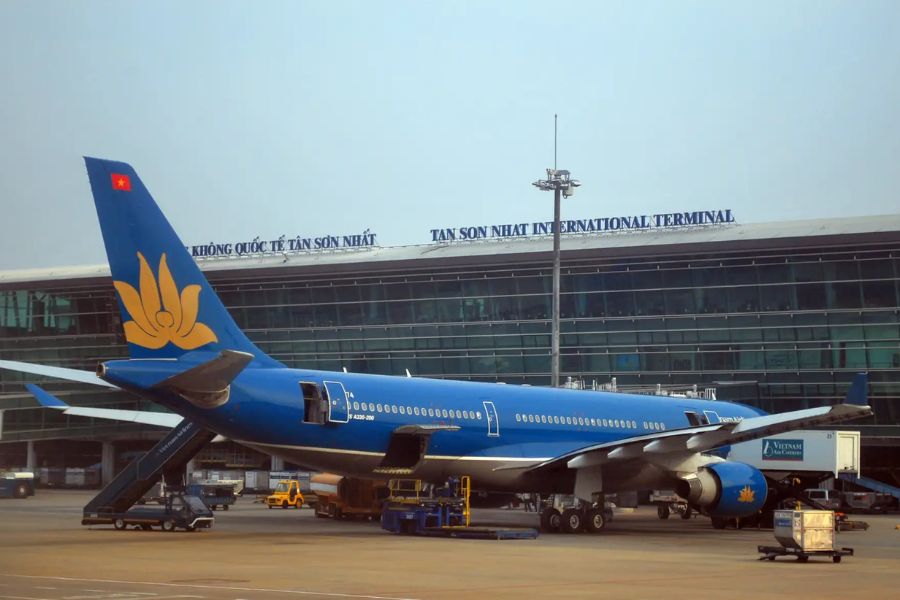
Formally recognized on international flight boards by its civil aviation title, Tan Son Nhat International Airport (IATA Code: SGN), this facility stands as the largest and busiest air hub in Vietnam. Situated in the Tan Binh District, the airport occupies a unique geographic position just 7 kilometers (4.3 miles) north of downtown Ho Chi Minh City, making transit into District 1 exceptionally short but highly susceptible to urban traffic gridlock.
To manage chronic over-capacity, the airport authority recently executed massive infrastructure overhauls, bringing its total handling capacity to over 50 million passengers annually. It serves as the primary operational base for domestic carriers like Vietjet Air, Bamboo Airways, and Vietravel Airlines, while hosting dozens of premier global full-service airlines connecting southern Vietnam to major capitals across the globe.
Understanding Airport Terminals
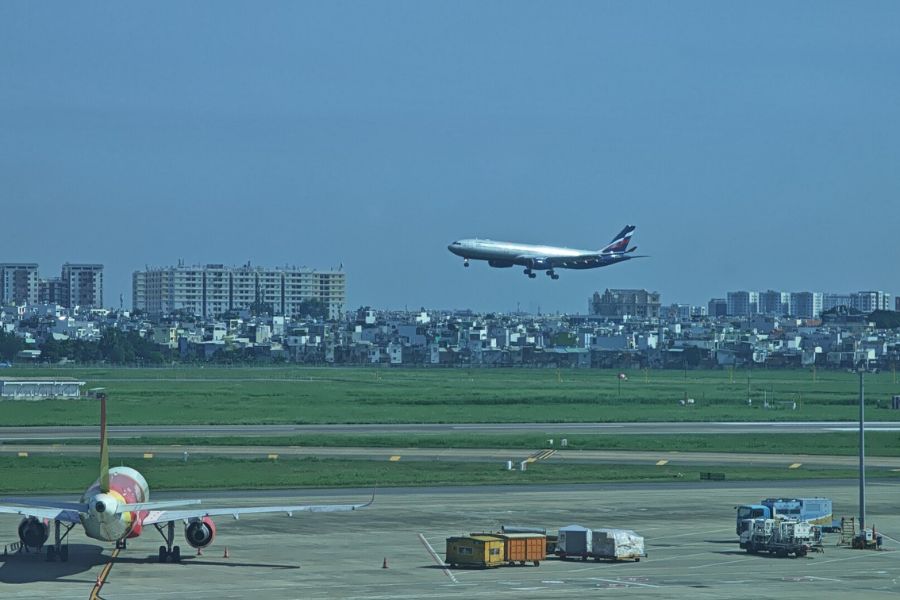
Tan Son Nhat International Airport currently separates domestic and international operations across different terminals. Terminal 2 (T2) serves all international flights, while Terminal 1 (T1) and Terminal 3 (T3) are dedicated to domestic services. Passengers transferring between terminals can use a covered pedestrian walkway, which takes approximately 10 minutes on foot, or take advantage of the airport’s free shuttle bus service.
Terminal 1 (Domestic)
Terminal 1 handles a targeted portion of domestic flights within Vietnam, primarily serving the high-frequency domestic routes operated by Vietjet Air.
Terminal 2 (International)
Terminal 2 (T2) exclusively handles all global Ho Chi Minh airport arrivals and international departures. Spanning four vast floors, T2 features a modern glass-and-steel layout equipped with clear English and Vietnamese directional signage, multi-tiered security zones, and extensive duty-free halls.
Terminal 3 (Domestic)
Terminal 3 (T3) is a brand-new, ultra-modern domestic facility built to alleviate the historical congestion of the old domestic footprint. Fully operational, T3 handles 20 million passengers a year and features cutting-edge biometric automated systems. Domestic operations for major carriers like Vietnam Airlines, Bamboo Airways, and Vietravel Airlines are stationed here.
Arrival Procedures at Ho Chi Minh Airport
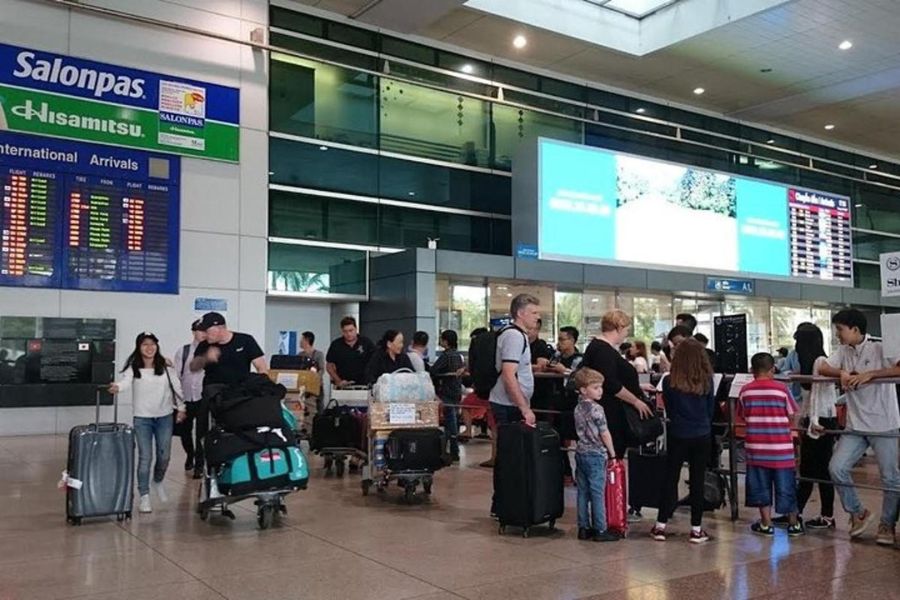
Deplaning from an international flight at Terminal 2 places you on the second level of the building. Your movement follows a highly structured regulatory sequence before you are permitted to exit into the city.
Immigration
Walk down the arrival corridors toward the primary passport control hall. Before lining up, you must address the local digital mandate:
- Pre-Arrival Entry Registration: All foreign passport holders entering through T2 should complete their mandatory digital arrival declaration online via the official government portal (prearrival.immigration.gov.vn) within 72 hours before landing to acquire an entry QR code.
- The Counter Queues: Choose the appropriate lane labeled for foreign passports. If you are entering via a 90-day electronic visa, you must present a physical, printed paper copy of your approved e-visa alongside your passport.
- Landing Visa Desk: If you have an official corporate visa invitation letter rather than an e-visa, stop at the VOA counter located on the far left before the main desks to secure your physical visa sticker.
Baggage Claim
Once stamped in, descend the escalators to the ground floor baggage claim hall. Large overhead monitors map flight numbers to specific motorized carousels. Luggage carts are stacked throughout the hall and are free to use.
Customs Clearance
With your bags in hand, pass through the final customs checkpoint. SGN operates a standard dual-channel system:
- Green Channel: For travelers carrying standard personal items within duty-free allowances. Note that all luggage (including carry-on backpacks and handbags) must be placed through automated X-ray scanners before exiting.
- Red Channel: If you are carrying commercial inventory, merchandise samples, or cash currencies exceeding $5,000 USD, you must declare them to officers here.
Departure Procedures at Ho Chi Minh Airport
When executing your departure from Terminal 2, your process will take place on the expansive third floor of the international building.
1.Check-In and Baggage Drop: Floor 3, Hall T2.
Locate your operating airline’s check-in island (A through L) on the main flight display screens. Standard international counters open exactly 3 hours prior to departure and close firmly 50 minutes before takeoff.
2.Exit Immigration Control: Central Border Gate.
Proceed to the central passport control zone at the rear of the departures floor. Present your outbound boarding pass and passport to the border officers to log your official exit from Vietnam.
3.Security & Carry-On Screening: Post-Immigration.
Immediately enter the security screening lanes. Remove laptops, tablets, and large power banks from your bags. Liquid restrictions are heavily enforced – any containers holding liquids or gels exceeding 100ml will be confiscated.
4.Access the Departure Gates: Gates 1 to 27.
Once cleared, you will step out directly into the airside duty-free retail zone. Follow the clear overhead gate numbers to your left or right. Boarding typically commences 45 minutes before departure.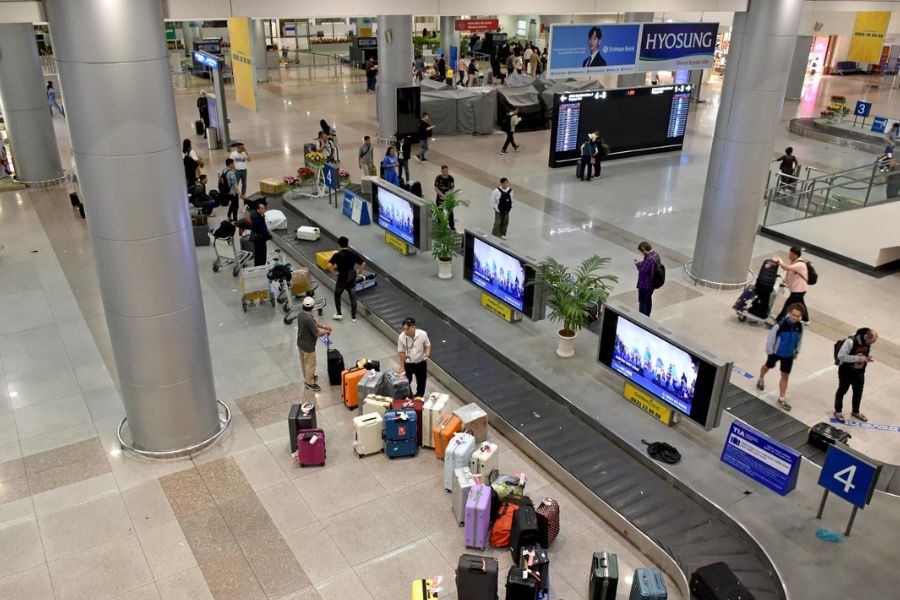
Transit and Connecting Flights at Tan Son Nhat Airport
Your logistical path during a Ho Chi Minh airport transit depends entirely on whether your ticket is a single-contract connection or an independent self-transfer.
International to International (Single Ticket)
If you are transiting between two international flights under a single airline booking contract, do not head toward immigration. Look for the overhead “International Transfer” signs. Present your passport and luggage tags at the dedicated transfer desk to verify your bags are checked through, pass through the transit security gate, and take the escalator up to the T2 departures hall.
International to Domestic (Terminal Change)
If your onward connection is a domestic flight to destinations like Hanoi, Da Nang, or Phu Quoc, you must enter the country fully at SGN.
- Clear international immigration, collect all checked luggage from the T2 carousel, and pass customs.
- Transfer to T1 or T3: If your flight is with Vietjet Air, walk to Terminal 1 via the outdoor covered footway (under 10 minutes). If your flight is with Vietnam Airlines or Bamboo Airways, take the free airport shuttle bus outside T2 to Terminal 3.
- Re-check your luggage and pass domestic security screening at the new terminal.
Transportation Options From Ho Chi Minh Airport
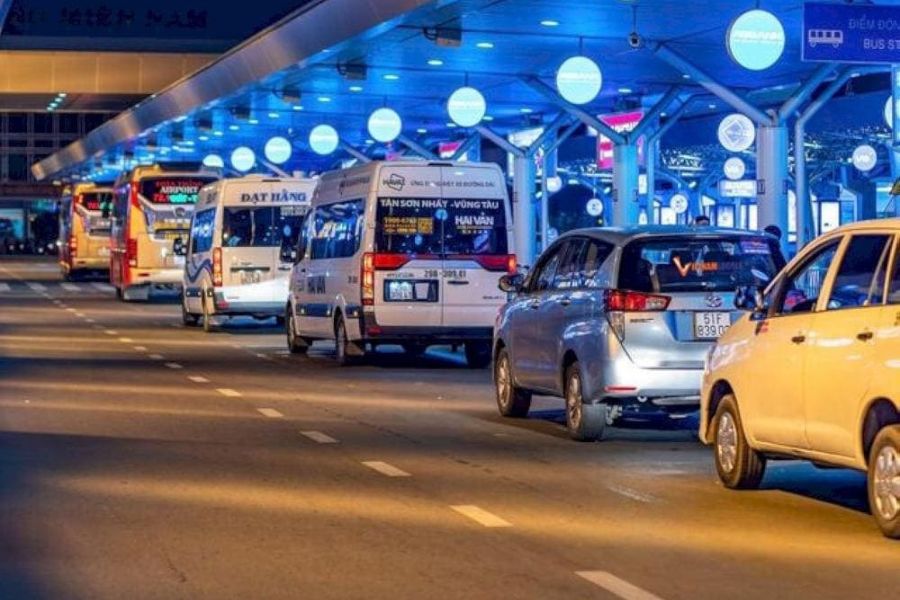
Exiting the sliding doors of the T2 arrival hall drops you directly into a chaotic public greeting area. Securing legitimate Ho Chi Minh airport transportation requires selecting an authorized provider to prevent predatory local overcharging scams.
Taxi
For traditional metered taxis, ignore individuals who approach you verbally inside the terminal lobby. Walk outside to the designated taxi lanes on the far left. Stick exclusively to the two highly regulated, reliable local fleets:
- Vinasun Taxi: Clean white cars with red and green accent lines.
- Mai Linh Taxi: Distinctive entirely green vehicles.
Note: Ensure the driver resets and activates the physical dashboard meter before the car departs. A standard ride to District 1 costs roughly 150,000 to 250,000 VND, which usually excludes the 10,000 VND airport exit toll.
Ride-Hailing Apps
The most efficient, transparent, and secure transport method is via smartphone applications. SGN features dedicated app-pickup lanes clearly marked outside the terminals.
- Grab: The most widely used app in Southeast Asia, locking in fixed pricing before booking.
- Xanh SM: A premier, highly popular local ride-hailing service operating a uniform fleet of bright cyan-colored, whisper-quiet electric VinFast vehicles.
Safety Practice: Always confirm that the physical license plate of the car matches your app confirmation screen before boarding.
Airport Shuttle Services
For travelers heading directly to specific tourist vectors, professional airport shuttle vans and private luxury car companies operate service counters directly inside the arrivals lobby, offering fixed-rate transport vouchers to downtown hotels.
Public Transportation
For budget solo travelers, the Bus 109 (bright yellow vehicles) offers a cheap, high-quality public transport option running directly from the international terminal to Ben Thanh Station in District 1. Tickets cost a flat 20,000 VND ($1 USD), payable in cash onboard, and the bus features dedicated interior luggage racks.
Facilities and Services Available at the Airport
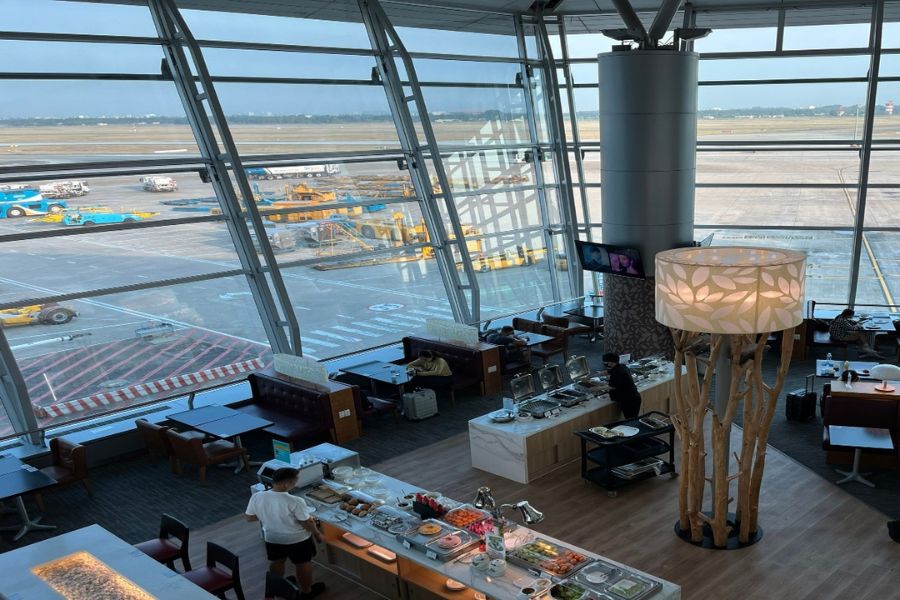
Terminal 2 provides an array of modern amenities tailored to standard international aviation requirements.
- Lounges: Premium passengers and elite frequent flyers can escape the terminal noise by heading to the executive lounges on the upper floors of T2, such as the Le Saigonnais Lounge or the Lotus Lounge. They offer hot food buffet stations, walk-in showers, stable Wi-Fi, and comfortable business workstations.
- Dining: The terminal hosts a balanced mix of culinary options. For a final local meal, multiple airside cafes serve hot phở and fresh bánh mì. If you prefer Western comfort chains, venues like Burger King, Popeyes, and Domino’s Pizza are positioned across the departures hall.
- Shopping: The airside departures zone features sprawling duty-free boutiques offering luxury cosmetics, premium liquor, fine tobacco, and international designer fashion. Dedicated souvenir stalls allow you to pick up premium Vietnamese coffee beans, local tea, and high-quality traditional crafts.
- Currency Exchange: Licensed currency exchange kiosks operated by major local banks (like Vietcombank and BIDV) line the exit wall of the arrivals baggage hall, offering highly competitive market exchange rates. ATMs accepting international networks are clustered near the terminal exits.
- SIM Cards: Official telecommunication kiosks (Viettel and Vinaphone) are positioned immediately outside the customs exit. Staff can configure a local prepaid tourist 4G/5G data SIM or register a digital eSIM onto your device within minutes.
Common Mistakes Travelers Make at Ho Chi Minh Airport
Avoiding these frequent travel errors will save you time and preserve your peace of mind:
- Neglecting the Saigon Pre-Arrival QR Code: Forgetting to complete the mandatory digital arrival card online prior to landing, which stalls your entry progress at the passport control checkpoint.
- Engaging with Unauthorized Drivers: Accepting transport offers from aggressive individuals touting for rides in the arrivals lobby instead of walking directly to official taxi queues or ride-hailing app zones.
- Underestimating Terminal Transfer Windows: Booking an onward domestic flight with an inadequate connection window. Clearing SGN international immigration and moving baggage over to T1 or T3 requires at least a 3-hour cushion.
- Forgetting a Paper Copy of the E-Visa: Presenting your approved visa solely on a digital device, which can result in border officers directing you out of the line to locate a print station.
Practical Tips for First-Time Visitors
Implement these professional Ho Chi Minh airport tips to streamline your transit:
- Carry a Pen: Keep a blue or black ink pen in your carry-on bag for filling out unexpected customs forms without waiting.
- Link Credit Cards Before Departure: Set up your Grab or Xanh SM applications and link your payment card profile before boarding your flight so the app is active the moment you connect to the airport’s network.
- Preserve Luggage Barcode Receipts: Ensure the check-in agent at your origin airport fastens your baggage claim barcodes securely to your ticket. Keep them safe until you verify your bags have arrived on the carousel in Saigon.
- Prepare for the Climate Shift: While the airport interior is heavily air-conditioned, the outdoor arrivals platform introduces intense tropical humidity. Wear light, breathable travel layers.
Frequently Asked Questions
1. Does Tan Son Nhat Airport have secure storage facilities for luggage?
Yes, Terminal 2 features a secure, professional luggage storage counter located on the ground floor (Arrivals Hall) near the public seating zones. If you have an extended daytime layover and wish to explore District 1 without hauling your heavy bags, you can safely store them here for an hourly or daily fee.
2. Can I use international credit cards at the airport kiosks?
Yes, international Visa, Mastercard, and JCB cards are widely accepted at all major duty-free shops, airline lounges, premium restaurants, and SIM card booths inside Terminal 2. However, for smaller street-level airport buses, public taxi tolls, or casual transport providers outside, you will need local cash in Vietnamese Dong (VND).
3. What is the free Wi-Fi network name at the airport?
The official complimentary wireless network across the international building is typically listed as “TSN Free Wifi”. Accessing the web requires you to open your device’s mobile browser, click through a brief landing page advertisement, and select connect. The connection speed is fully capable of driving messaging apps and booking ride-hail vehicles.
4. How early should I arrive at SGN for an international departure?
It is highly recommended to arrive at Terminal 2 at least 3 hours before your scheduled departure. Because SGN processes massive passenger volumes, queues at the check-in counters, exit immigration booths, and central security screening lanes can build up significantly during peak evening long-haul departure blocks.
5. Are there sleeping facilities or transit pods inside the international terminal?
Yes, for passengers facing overnight waits or extended transits, Terminal 2 offers modern, clean sleep pods available for hourly rental near the airside boarding gates. These sound-insulated units provide comfortable bedding, reading lights, power access, and privacy, letting you rest without needing a visa to exit to an external hotel.
Conclusion
Successfully master your transit through southern Vietnam’s busiest hub by staying organized and maintaining a clear view of terminal layouts. By completing your mandatory digital pre-arrival entry registration before landing, maintaining physical printouts of your e-visa, and bypassing aggressive transport touts in favor of app-based electric vehicles, you can effortlessly eliminate standard travel friction. Utilizing this detailed Ho Chi Minh airport guide ensures your passage through the airport remains entirely smooth, allowing you to focus your energy on experiencing the dynamic culture, rich history, and incredible culinary scene of Ho Chi Minh City.